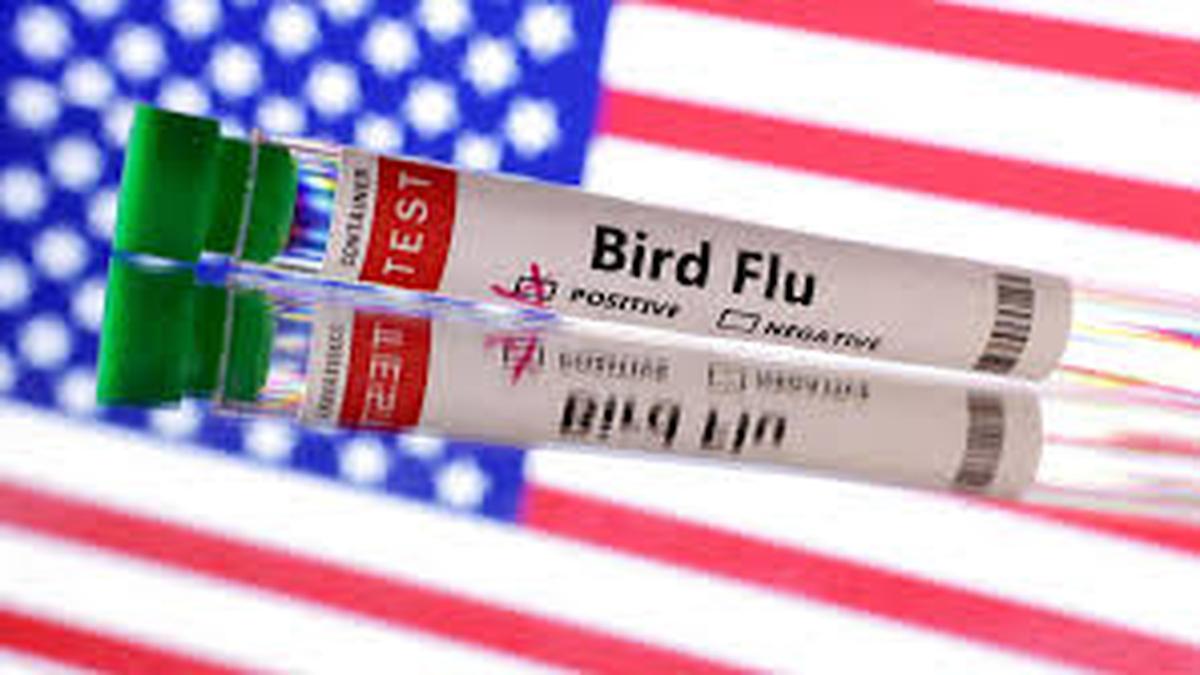
Health officials in Washington have identified the first U.S. human infection with the H5N5 strain of bird flu. This rare avian influenza virus, distinct from the more common H5N1 strain, highlights ongoing concerns about zoonotic transmission and the need for vigilant monitoring.
First U.S. human case of rare H5N5 bird flu detected in Washington; authorities emphasize vigilance to prevent avian influenza spread.
Washington, D.C. – A resident of Washington state has been confirmed as the first human case of infection with the H5N5 bird flu virus in the United States, health authorities announced on November 19, 2025. This development marks a rare incidence of a different subtype of avian influenza virus affecting people, underscoring continued risks posed by bird flu viruses crossing over from animals to humans.
The Centers for Disease Control and Prevention (CDC) reported that the individual was diagnosed following routine surveillance and testing for avian influenza infections. While the H5N5 strain is genetically distinct from the more widely known H5N1 virus, it similarly originates from avian hosts and has caused outbreaks among bird populations globally. The infected person is currently receiving medical care and is being monitored, with no confirmed human-to-human transmission at this time.
Bird flu viruses, including H5N5, typically circulate among wild and domestic birds. Human infections are uncommon but can occur through direct or close contact with infected birds or contaminated environments. These zoonotic transmissions raise public health concerns due to the potential for viral mutations that might increase transmissibility among humans.
Officials emphasized the importance of continued vigilance in monitoring bird populations, especially given the increasing diversity of influenza viruses. Dr. Maria Thompson, an epidemiologist at the CDC, stated, “The identification of H5N5 in a human case highlights how avian influenza viruses continue to evolve and occasionally infect people. We urge the public to avoid contact with sick or dead birds and report suspicious bird deaths to wildlife authorities.”
The H5N5 strain has been reported sporadically in various countries and is known to cause disease in birds but has been less commonly detected in humans. The current case involved an individual with direct exposure to birds, although the exact source is still under investigation. Local health departments and the CDC have initiated contact tracing to assess any potential exposures among close contacts.
Public health experts stress that while this case is noteworthy, there is currently no indication of sustained spread of H5N5 among humans in the United States. Standard preventive measures, including good hygiene and avoiding contact with wild birds, remain critical. The agricultural sector is also being urged to maintain biosecurity protocols to prevent outbreaks within poultry farms.
This incident comes amid a broader landscape of diverse avian influenza strains circulating worldwide, which occasionally spill over into human populations. Monitoring and rapid response are key components of global efforts to mitigate pandemic risks associated with zoonotic influenza viruses.
In summary, the confirmation of an H5N5 bird flu infection in a U.S. resident signals ongoing challenges in tracking and managing avian influenza viruses. Health authorities continue to investigate and reinforce preventative measures to protect both human and animal health.