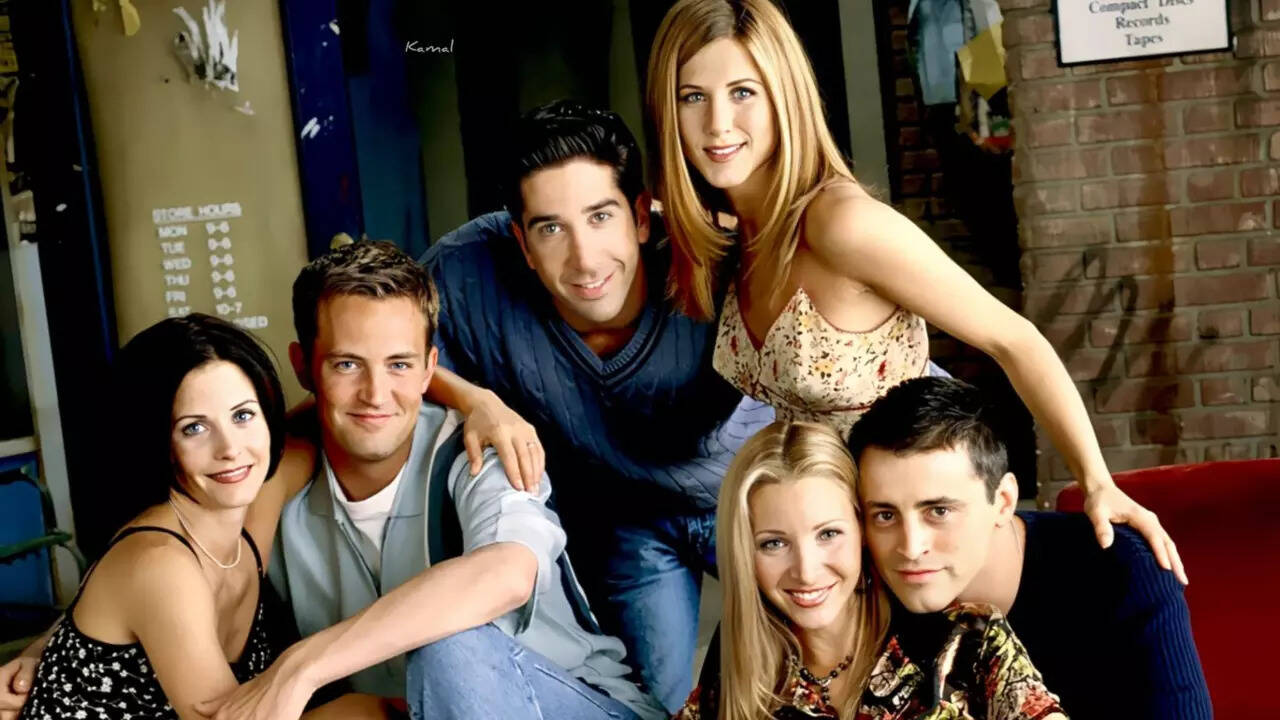
The iconic sitcom Friends, which aired in the 1990s and early 2000s, was frequently called out for its absence of Black characters despite its New York City setting. Discussions continue to evaluate the show’s representation and impact amid ongoing conversations about diversity in television.
Friends faced criticism for its lack of Black characters during its original run, sparking conversations about racial diversity and representation in television.
The hit American television sitcom Friends, which aired from 1994 to 2004, has long been celebrated for its humor and cultural impact, yet it has also faced criticism for its lack of racial diversity, particularly the absence of Black characters. Set in New York City, one of the most ethnically diverse cities in the world, the show’s primarily white main cast prompted ongoing debates about representation in media, both during its original run and years after its conclusion.
Friends centers on six main characters navigating their personal and professional lives in Manhattan. Despite the show’s widespread popularity, critics and audiences noted the predominantly white cast and the limited inclusion of people of color in recurring or guest roles. The lack of Black characters became a significant talking point as conversations about racial diversity and inclusion in television grew more prominent in the 2010s and beyond.
During its decade on air, Friends featured very few Black characters in meaningful roles, which some critics argue failed to reflect the realities of New York City’s diverse population. Although there were occasional appearances by Black actors, these roles were often minor or stereotypical, leading to allegations that the show perpetuated a narrow and exclusionary portrayal of urban life.
In a broader context, Friends illustrates a common challenge faced by many popular television programs of the 1990s and early 2000s that did not adequately prioritize diverse casting. While the show’s creators aimed to capture universal themes of friendship and relationships, the limited representation has since been reassessed within the framework of evolving standards around inclusion and authenticity on screen.
Cast members have occasionally addressed the issue in retrospective interviews. Some have expressed regret or acknowledged that the show could have done more to showcase diversity. However, they also highlight that societal norms and industry expectations at the time were different, with less emphasis placed on inclusive casting than today.
The criticism of Friends coincides with wider movements calling for more diversity in Hollywood productions. Streaming platforms reviving classic shows, including Friends’ popular reunion special in 2021, have reignited discussions on the necessity of representing multicultural experiences authentically.
Scholars and cultural commentators emphasize that while Friends remains a significant part of television history, it serves as a reminder of the ongoing need for inclusion and equitable representation in media. The show’s legacy is now viewed through a more critical lens that balances its success with the imperative for greater racial diversity.
In summary, Friends’ lack of Black characters during its original broadcast has been a focal point in debates about racial representation on television. As the entertainment industry progresses towards more inclusive storytelling, reflections on shows like Friends highlight both past shortcomings and the evolving expectations for diversity in media content.