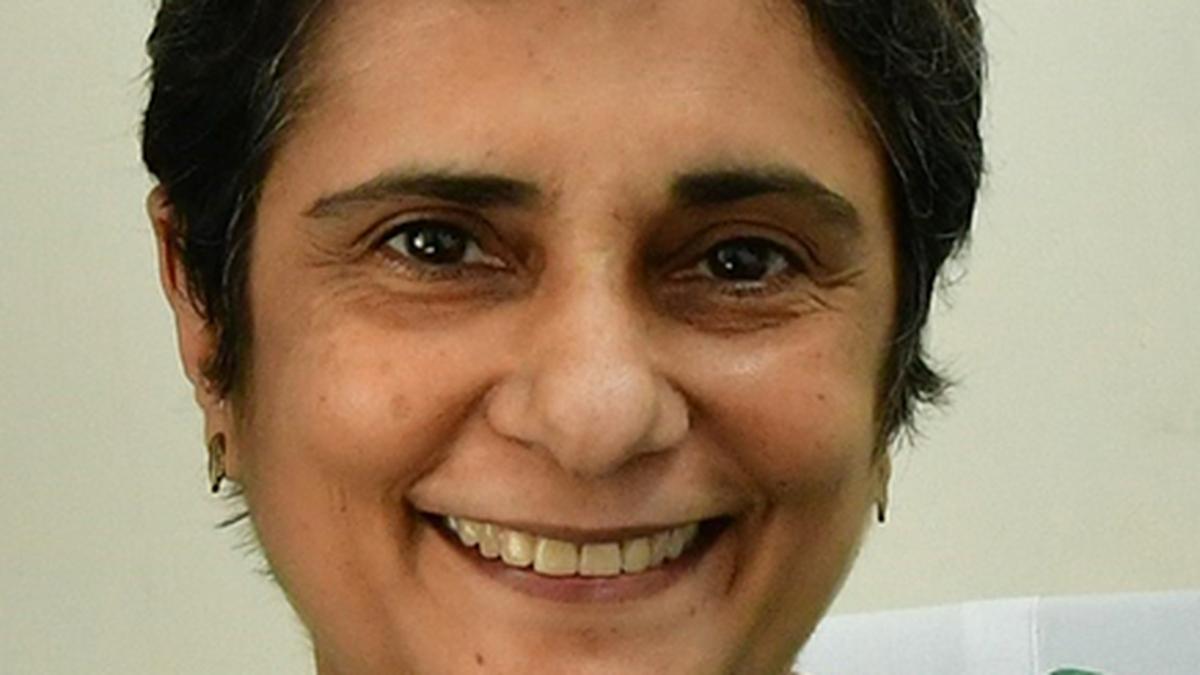
Dr. Gagandeep Kang, a noted Indian scientist, highlighted the critical importance of vaccine equity in combating infectious diseases during a recent health symposium. She emphasized that only India’s Universal Immunisation Programme can effectively ensure equitable vaccine access across the country.
Dr. Gagandeep Kang highlights the Universal Immunisation Programme as the key to achieving vaccine equity in India during a 2025 health symposium.
At a health symposium held in India on October 18, 2025, renowned scientist Dr. Gagandeep Kang underscored the vital role of vaccine equity in safeguarding public health and stressed that the Universal Immunisation Programme (UIP) remains the most effective mechanism to achieve this goal nationwide. Dr. Kang, an expert in infectious diseases and vaccine development, pointed out the challenges faced globally and in India regarding the equitable distribution of vaccines, particularly in the wake of the COVID-19 pandemic.
Speaking to a gathering of health professionals and policymakers, Dr. Kang elaborated that while vaccine development has advanced rapidly, equitable access remains a pressing issue. “Vaccine equity is very important,” she said, “because without equitable distribution, vulnerable populations are left unprotected, increasing the risk of disease outbreaks and prolonging public health crises.”
She highlighted the strengths of India’s Universal Immunisation Programme, which has successfully delivered vaccines to millions of children across diverse regions, including remote and underserved areas. Initiated by the Government of India, the UIP is among the largest public health programs targeting vaccine-preventable diseases such as polio, measles, and tuberculosis.
“Only the Universal Immunisation Programme can achieve vaccine equity in India,” Dr. Kang emphasized. She highlighted that the UIP’s established infrastructure, community engagement, and integration into the public health system make it uniquely positioned to overcome access barriers. According to Dr. Kang, leveraging the existing UIP framework to distribute new vaccines, such as those for COVID-19 and other emerging diseases, could ensure wider and timely immunisation coverage.
The importance of maintaining and strengthening the UIP was further underscored as Dr. Kang discussed disparities revealed during the recent pandemic, where access to vaccines was often skewed in favor of urban and economically stronger populations. She called for sustained government investment, improved cold chain logistics, and enhanced training for health workers to support UIP’s expanded role.
In addition to equitable access, Dr. Kang stressed the necessity of building public trust through transparent communication and community involvement. “Equity is not just about supply side logistics,” she noted, “but also about addressing vaccine hesitancy and ensuring that accurate information reaches every household.”
Experts in attendance echoed Dr. Kang’s viewpoints, recognizing that vaccine equity is a cornerstone in controlling infectious diseases and achieving broader health security objectives. Policymakers were urged to integrate these insights into future immunisation strategies and resource allocation decisions.
India’s UIP has historically been successful in achieving high immunisation rates despite challenges posed by geography and social disparities. As infectious diseases continue to evolve and new vaccines are developed, Dr. Kang’s advocacy for utilizing UIP as the vehicle for equitable distribution reinforces the program’s relevance and adaptability.
The discussion concluded with a consensus on the need for collaborative efforts among government agencies, healthcare providers, and communities to prioritize vaccine equity, ensuring no segment of the population is left vulnerable. Dr. Kang’s remarks spotlight the essential intersection of science, policy, and public health infrastructure in achieving this goal.
In summary, Dr. Gagandeep Kang’s address at the recent symposium reaffirmed the critical importance of vaccine equity and positioned the Universal Immunisation Programme as the cornerstone strategy for equitable vaccine access across India.