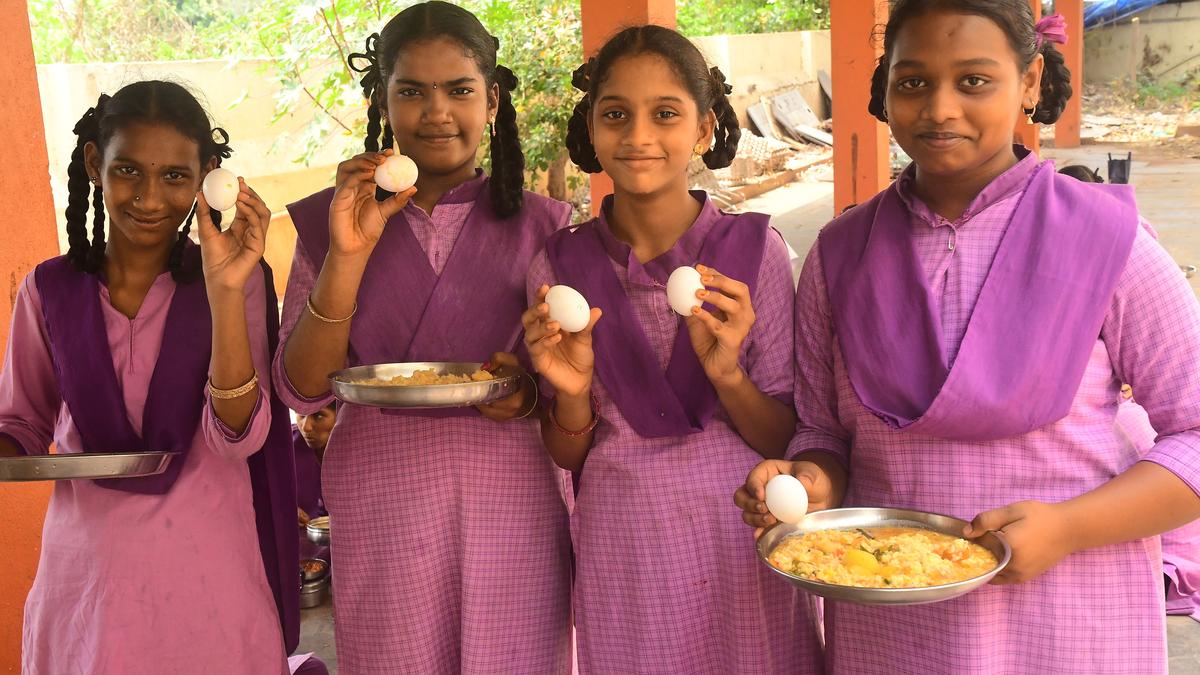
The social sector faces significant budget reductions in the upcoming 2025 fiscal plan, raising concerns among experts about potential impacts on welfare programs. Analysts warn that continued cuts could hinder development goals and affect vulnerable populations.
India’s 2025 budget proposes cuts in social sector spending, raising concerns about impacts on welfare programs and development goals.
The social sector in India is once again poised to experience substantial spending cuts as the government prepares the 2025 fiscal budget. Announced on February 2, 2025, these proposed reductions have sparked debate among economists, social activists, and policy analysts who emphasize the potential risks of underfunding crucial welfare and development programs.
The social sector, encompassing health, education, sanitation, and social welfare schemes, has historically been vulnerable to budgetary constraints during times of fiscal tightening. The latest proposal reflects a reallocation of resources that prioritizes infrastructure and defense spending while limiting expenditures on essential social services.
Experts highlight that the continuing trend of reduced investment in the social sector may adversely affect India’s efforts to achieve inclusive growth and sustainable development. According to recent reports, social sector allocations could see a decrease of up to 10% compared to the previous fiscal year, a move that could impact millions of beneficiaries relying on government support.
Social welfare organizations have voiced their apprehensions, noting that cuts could compromise healthcare delivery, educational access, and poverty alleviation programs. “Scaling back on social sector funding undermines the progress made in improving public health and education standards,” stated a senior policy analyst specializing in social development.
Conversely, government officials argue that the restructured budget aims to streamline spending by enhancing efficiency and targeting subsidies more effectively. They contend that the shift aligns with broader economic priorities intended to stimulate growth and create employment opportunities.
Despite assurances of optimized resource utilization, critics caution that the reduction in direct funding to social programs may widen inequality and leave vulnerable groups struggling without adequate support. This concern is echoed in ongoing discussions within parliamentary committees reviewing the budget proposal.
India’s social sector has, in the past, played a pivotal role in addressing poverty, improving literacy rates, and expanding healthcare coverage. Any significant cuts, therefore, have the potential to reverse achievements and stall progress toward the United Nations Sustainable Development Goals (SDGs).
As the budget debate unfolds, stakeholders including non-governmental organizations, policymakers, and international observers are closely monitoring the implications of spending allocations. The final budget decisions expected by mid-March 2025 will reveal the government’s commitment to balancing fiscal prudence with social welfare advancement.
In conclusion, the proposed spending cuts in India’s social sector present a complex challenge for the government and society. While fiscal adjustments are necessary, maintaining adequate investment in health, education, and social support remains critical for securing long-term development and social equity.