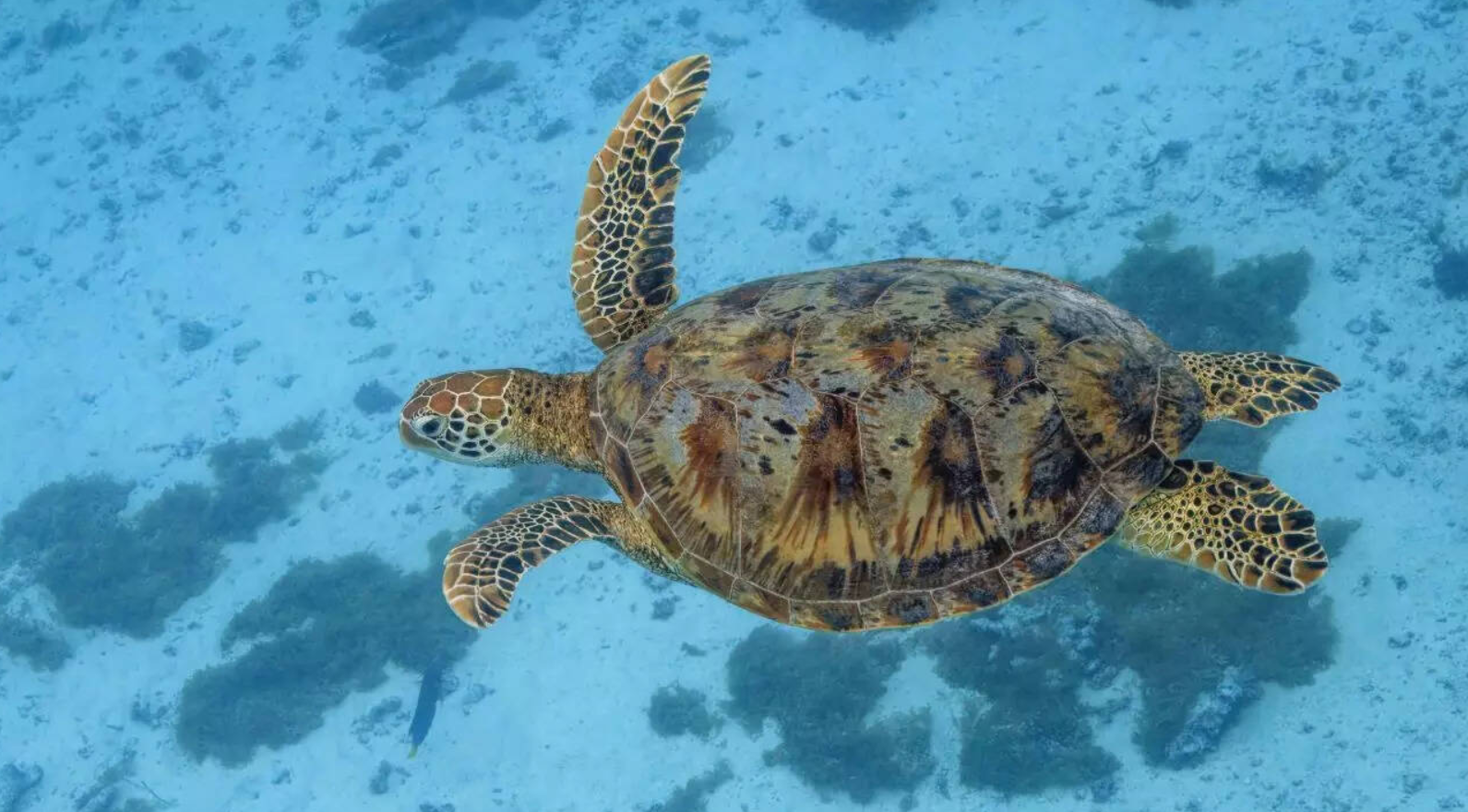
Green turtles have been rediscovered in significant numbers, marking a historic comeback attributed to decades of dedicated conservation initiatives. The resurgence highlights successful efforts to protect marine biodiversity and restore endangered species populations.
Green turtles have made a historic comeback after decades of conservation, showcasing successful efforts in marine biodiversity preservation.
Green turtles (Chelonia mydas), once on the brink of extinction in several regions, have made a remarkable comeback, according to recent observations reported on October 12, 2025. This resurgence is the outcome of decades of sustained conservation efforts aimed at protecting these endangered marine reptiles across their natural habitats worldwide. Scientists and environmentalists celebrating this milestone emphasize the significance of preserving marine ecosystems to ensure the long-term survival of green turtles.
Traditionally found in tropical and subtropical waters around the globe, green turtles faced severe population declines throughout the 20th century due to habitat destruction, poaching, and pollution. Conservation organizations, local governments, and international bodies initiated multiple protective measures starting in the late 20th century. These measures included enforcing anti-poaching laws, establishing marine protected areas, regulating fisheries, and community-led habitat restoration programs.
The recent rediscovery reports detail substantial increases in green turtle nesting sites, particularly in coastal regions that had witnessed severe depletion in the past. Marine biologists conducting field surveys observed a significant rise in nesting females on beaches that were once heavily exploited. Dr. Asha Kumari, a marine ecologist involved in monitoring the population, stated, “This positive trend is a direct result of collaborative conservation strategies implemented over the last 30 years. It confirms that well-managed protection efforts can lead to tangible recovery of endangered marine species.”
The comeback of the green turtle not only signifies progress for conservationists but also underlines the importance of maintaining healthy marine environments. Green turtles contribute to marine ecosystems by grazing on seagrass beds, which helps maintain the vitality of these underwater habitats. Their population growth thus also reflects improvements in ecosystem health.
International conservation agreements, such as the Convention on International Trade in Endangered Species of Wild Fauna and Flora (CITES), have played a critical role in limiting harmful trade practices. Alongside legal protections, community education and awareness campaigns have empowered local populations to engage in sustainable practices, contributing further to the turtles’ recovery.
While these developments are encouraging, experts caution that green turtles remain vulnerable due to ongoing threats like climate change, bycatch in fisheries, and habitat loss. Continued vigilance and adaptive management remain essential to sustain the progress achieved. Conservationists advocate for enhanced international cooperation and increased funding to expand conservation programs.
In summary, the rediscovery and population rebound of green turtles represent a landmark conservation success story. Decades of strategic efforts have reversed the decline of this iconic species, offering hope and a blueprint for the recovery of other endangered marine animals worldwide.