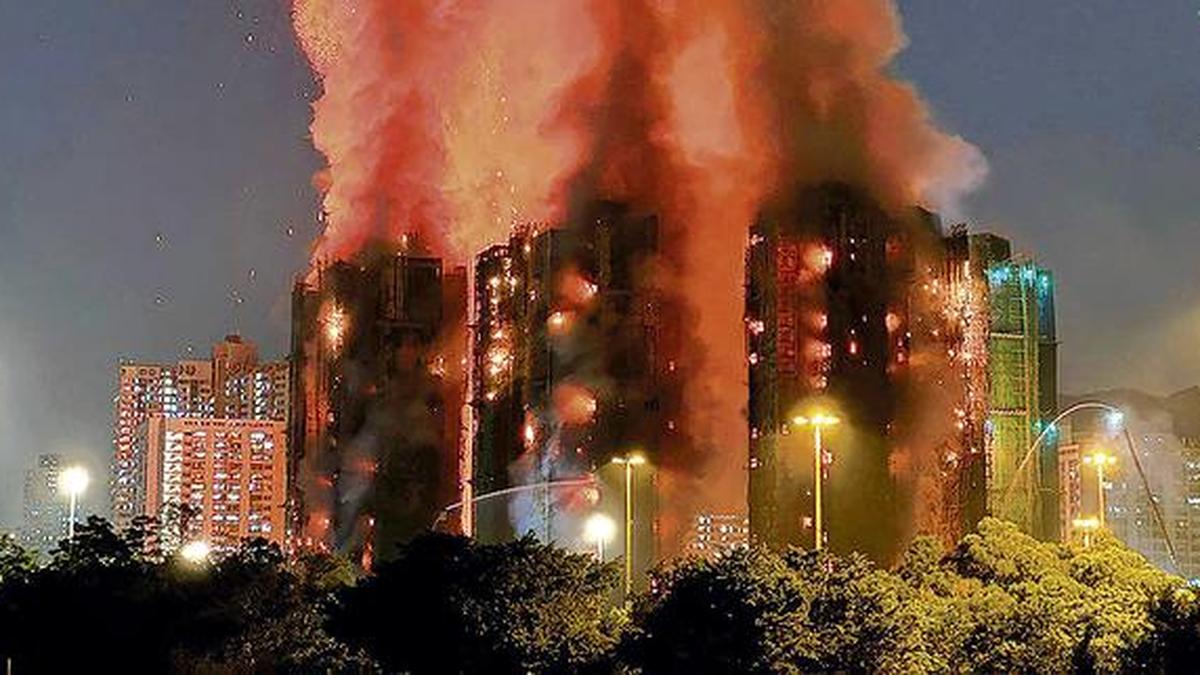
A recent devastating fire in Hong Kong has brought renewed attention to the causes behind catastrophic building fires and the crucial measures needed to prevent them. Experts highlight outdated infrastructure, building materials, and safety enforcement as key factors contributing to fire disasters in urban environments.
Explore the causes of catastrophic building fires in Hong Kong and the preventive measures critical to urban fire safety and disaster mitigation.
A significant fire broke out in a residential building in Hong Kong on Wednesday, causing severe damage and raising serious concerns about fire safety in densely populated urban areas. The blaze, which started in the early evening, quickly spread due to a combination of combustible materials and inadequate fire prevention infrastructure, prompting emergency services to respond rapidly to control the situation and evacuate residents.
Understanding the Causes of Disastrous Building Fires
Experts studying past incidents point to several factors that typically contribute to disastrous fires in high-rise and older buildings, particularly in crowded metropolitan regions like Hong Kong. First, the use of flammable building materials and finishes can accelerate the spread of flames. In many older structures, insufficient fire-resistant insulation and cladding increase the risk.
Second, outdated electrical wiring and systems often cause short circuits or electrical faults, which remain a primary cause of building fires worldwide. Without rigorous and regular inspections, these hazards persist unnoticed.
Another significant issue is the architectural design of many buildings. Narrow stairwells, inadequate fire exits, and cluttered corridors can impede evacuation and firefighting efforts. Moreover, the lack of comprehensive fire detection and alarm systems delays response times, often resulting in greater damage.
Prevention Strategies and Regulatory Improvements
Fire safety experts emphasize that minimizing fire risk involves both proactive building management and strong regulatory oversight. Hong Kong government authorities have recently proposed stricter fire safety codes mandating the use of fire-resistant building materials, periodic electrical system checks, and updated evacuation protocols.
Installing modern fire detection and suppression systems, such as smoke alarms and sprinkler systems, is crucial for early fire identification and containment. Public awareness campaigns aimed at educating residents and building owners about fire hazards and prevention techniques also play an essential role.
Additionally, regular training drills for residents and building staff improve preparedness and can save lives during emergencies. Urban planners are urged to incorporate fire safety considerations into building designs, including adequate fire exits and clear evacuation routes.
Expert Voices and Community Impact
Dr. Li Wei, a fire safety engineer based in Hong Kong, explains, “Many of the fires we observe could be prevented with upgraded infrastructure and diligent maintenance. The recent blaze underscores the urgent need for modernization in our building safety standards.”
Residents affected by the fire expressed concerns about the safety of their homes and the slow pace of improvements. Local authorities have pledged to accelerate inspections and enforce compliance with existing regulations to reduce the likelihood of similar incidents.
Conclusion
The recent Hong Kong fire serves as a stark reminder of the persistent challenges in urban fire safety. Combustible materials, aging infrastructure, lax building codes, and inadequate emergency preparedness contribute to the severity of such incidents. However, coordinated efforts involving governmental reforms, technological upgrades, public education, and community engagement can significantly reduce fire risks and enhance safety in densely populated cities. Continuous vigilance and adaptation of fire prevention strategies remain essential to safeguarding lives and property in Hong Kong and other global urban centers.