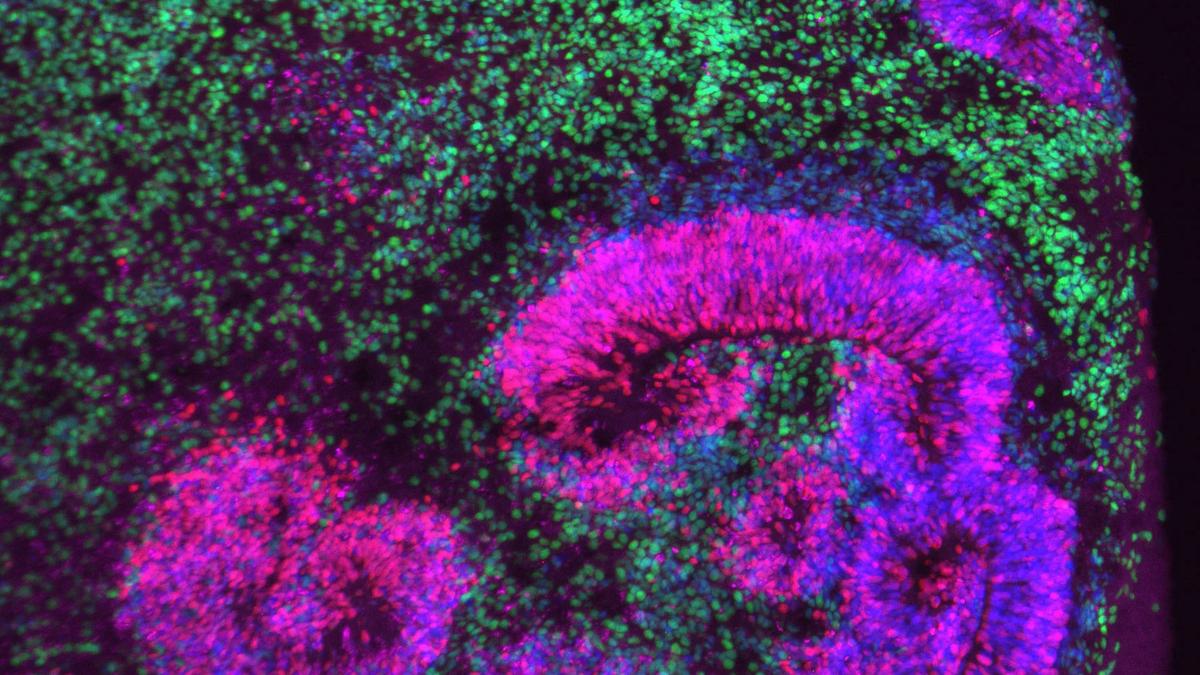
Scientists have developed groundbreaking brain atlases that map neural development in real-time, offering unprecedented insights into brain growth and function. These dynamic atlases are set to transform neuroscience research and clinical diagnostics by capturing brain changes across different life stages.
Groundbreaking dynamic brain atlases capture neural development over time, enhancing neuroscience research and clinical diagnosis of brain disorders.
Researchers have introduced innovative brain atlases that capture the dynamic progression of neural development, marking a significant advancement in neuroscience. Published on November 27, 2025, these new atlases provide detailed, time-resolved maps of brain structure and function, enabling scientists and clinicians to observe how the brain evolves across various stages of life. The development of these pioneering atlases addresses long-standing challenges in tracking brain changes, which traditionally relied on static imaging techniques.
Understanding Brain Development in Motion
The human brain undergoes complex transformations from infancy through adulthood, impacting cognition, behavior, and health. Traditional brain atlases have largely provided static snapshots, limiting the ability to grasp developmental trajectories fully. The newly developed dynamic atlases, however, integrate longitudinal imaging data to create continuous models of brain growth and remodeling.
Lead researcher Dr. Ananya Patel, a neuroscientist at the Institute for Neural Dynamics, explained, “Our brain atlases are designed to reflect the temporal and spatial patterns of neural maturation in a way that was not previously possible. By capturing these developmental sequences, we can better understand typical and atypical brain development.”
Technological Innovations Behind the Atlases
These brain atlases leverage advanced imaging modalities such as high-resolution magnetic resonance imaging (MRI), coupled with sophisticated computational algorithms that analyze and integrate large datasets over time. Machine learning techniques play a key role in aligning images from different individuals and time points, allowing the creation of composite models that represent generalized developmental patterns.
The atlases cover multiple age ranges, including prenatal stages, early childhood, adolescence, and adulthood, offering a comprehensive view of neurodevelopment. This temporal scope is crucial for identifying sensitive periods in brain maturation and potential windows for intervention in developmental disorders.
Implications for Research and Clinical Practice
Dynamic brain atlases have wide-reaching implications for neuroscience research by providing a foundational reference for studying brain plasticity, aging, and neurodegenerative diseases. Clinically, these atlases can enhance the diagnosis and monitoring of developmental conditions such as autism spectrum disorder, ADHD, and congenital brain malformations.
Dr. Patel emphasized, “By comparing individual scans to age-appropriate developmental atlases, clinicians can detect deviations from typical growth patterns earlier and with greater accuracy. This opens doors for timely interventions and personalized treatment strategies.”
Collaborations and Future Directions
The project is the result of a multi-institutional collaboration involving neuroscientists, radiologists, data scientists, and clinicians. Future plans include expanding the atlases to incorporate functional data such as brain activity patterns and connectivity, further enriching the understanding of brain development.
Additionally, efforts are underway to make these atlases accessible through open-source platforms, encouraging widespread use across the scientific and medical communities. The integration of genetic and environmental data is also being explored to elucidate factors influencing neurodevelopment.
Conclusion
The creation of dynamic brain atlases represents a transformative leap in mapping the human brain’s development comprehensively and in real-time. By overcoming the limitations of static models, these atlases provide vital tools for advancing neuroscience research and improving clinical outcomes for developmental brain disorders.