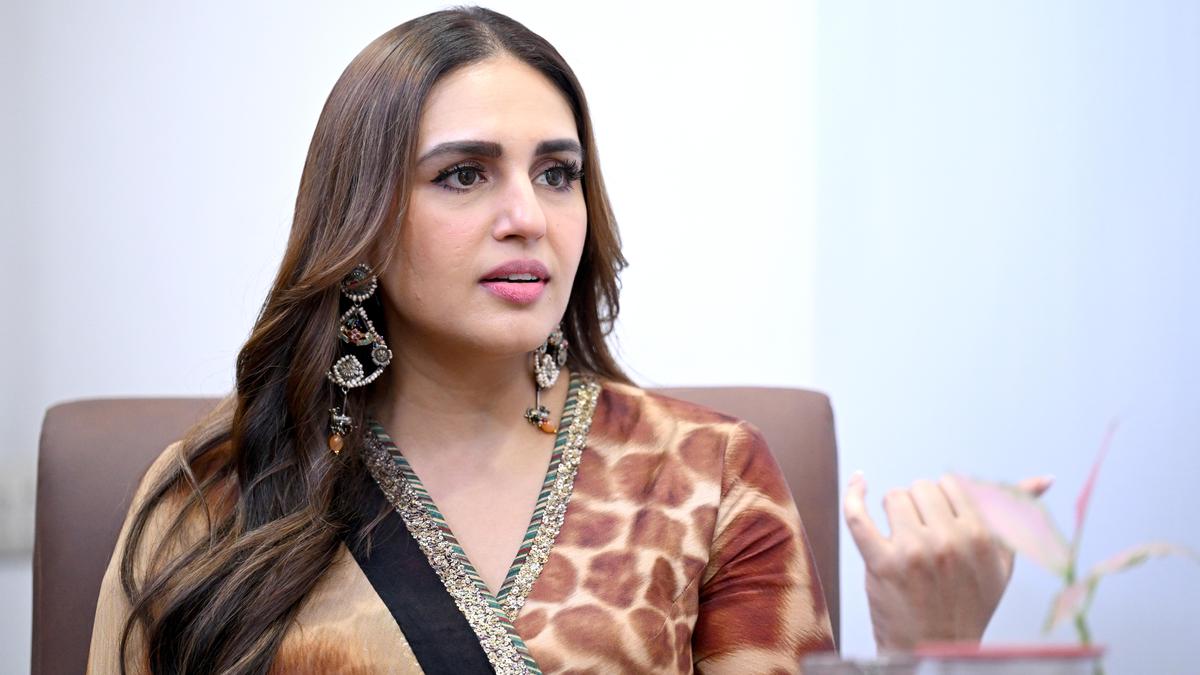
Actress Huma Qureshi has addressed the ongoing struggle female-led narratives face in securing screen space within the Indian film industry. She emphasized the entrenched challenges and the need for greater representation of women’s stories on screen.
Huma Qureshi highlights the ongoing challenges female-led stories face in Indian cinema and calls for increased representation and screen space.
Mumbai, November 6, 2025 – Actress Huma Qureshi recently spoke out on the persistent challenges female-led stories encounter in gaining adequate screen space within the competitive landscape of Indian cinema. During an interview published on November 6, she highlighted the systemic barriers that continue to restrict narratives centered around women, despite growing calls for diversity and inclusion.
Gender Disparity in Screen Representation
Qureshi underscored that although there has been some progress in recent years, stories featuring women in lead roles still face an uphill battle to be greenlit and embraced by audiences. “Female-centric films often battle with perceptions about market viability, which limits their production and distribution,” she explained. Industry stakeholders, including actors and filmmakers, tend to be cautious about investing in female-led projects, fearing limited commercial returns.
The actress pointed out that this hesitation contributes to an ongoing cycle where women’s stories remain underrepresented, reducing on-screen diversity. “Screen space for female narratives is not just about numbers; it’s about portraying authentic, varied experiences of women that resonate widely,” Qureshi said.
Cultural and Industry Factors
The challenges extend beyond mere production concerns and are rooted in broader cultural norms and audience expectations. Bollywood and regional cinemas have traditionally favored male-centric stories, resulting in fewer opportunities for women-driven plots to thrive. Moreover, entrenched stereotypes often pigeonhole female characters into limited roles, restricting creative freedom.
Qureshi noted, “Change is gradual, but the increased presence of women both in front of and behind the camera is helping to slowly shift the narrative. However, much work remains to be done to ensure equitable screen representation.”
Impact of Streaming Platforms
The rise of digital streaming platforms was acknowledged as a potential game-changer for female-led storytelling. These platforms have expanded the types of content being produced and consumed, allowing for more diverse narratives beyond mainstream cinema. Qureshi expressed optimism that this trend could contribute to greater visibility and acceptance of female-driven stories.
Recent female-led films have found dedicated audiences through online platforms, proving there is a market for such content when given sufficient exposure. Nevertheless, Qureshi maintained that the industry must continue proactive efforts to prioritize inclusivity and challenge existing biases.
Conclusion
Huma Qureshi’s candid remarks shed light on the persistent obstacles facing female-led narratives in Indian cinema. While progress has been made through the efforts of artists, producers, and new media, structural and cultural barriers still hinder the widespread acceptance and production of women-centric stories. The actress’s insights call for ongoing commitment to diversify storytelling and enhance representation across the film industry.