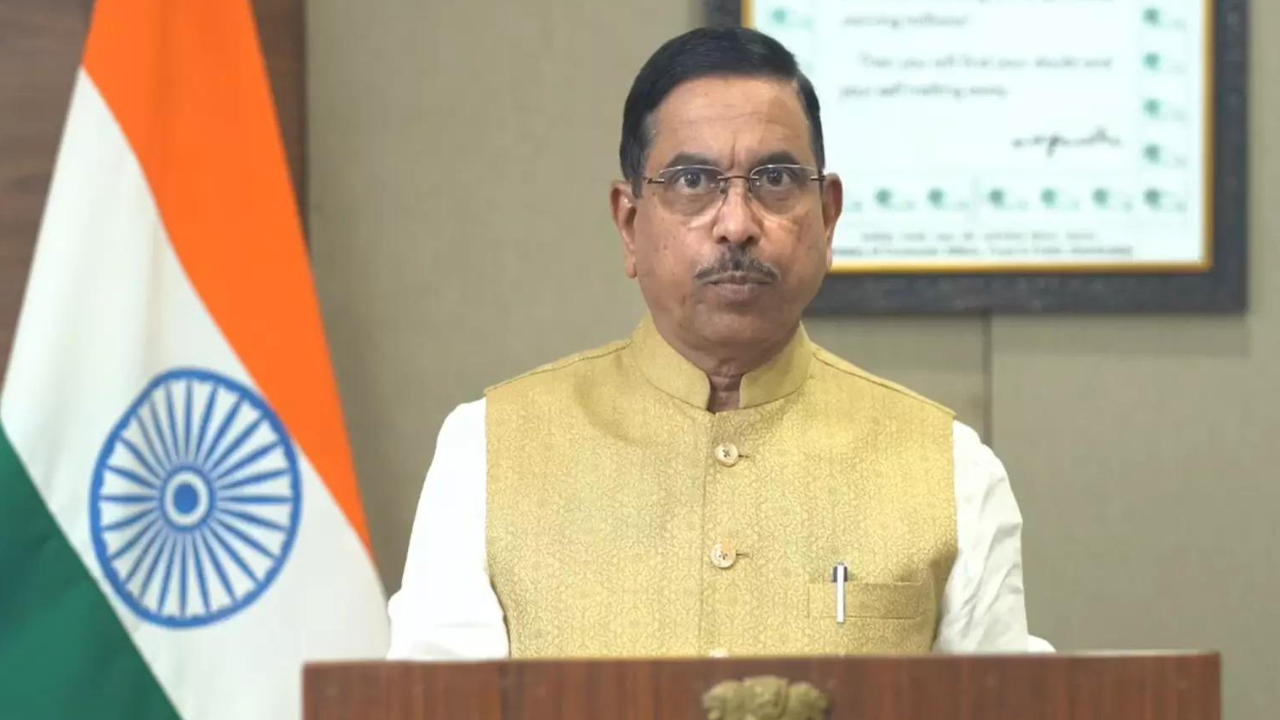
India has achieved a milestone by adding 31.25 gigawatts of non-fossil energy capacity in 2025, marking the highest annual increase in its renewable energy sector. This surge, announced by Union Minister Pralhad Joshi, underscores the country’s commitment to clean energy and reducing carbon emissions.
India adds a record 31.25 GW of non-fossil fuel energy capacity in 2025, boosting its renewable sector and supporting climate goals.
New Delhi – India has set a new benchmark in clean energy development by adding a record 31.25 gigawatts (GW) of non-fossil fuel-based power capacity in 2025, according to Union Minister Pralhad Joshi. The announcement, made on December 6, highlights the country’s ongoing efforts to expand its renewable energy portfolio and transition towards a greener energy future.
This significant addition encompasses various renewable sources including solar, wind, and hydroelectric power. The push for cleaner energy is part of India’s broader strategy to meet its Paris Agreement climate goals and ensure sustainable growth. With this increment, India strengthens its position among the leading nations globally in renewable energy expansion.
Expansion of Non-Fossil Capacity
India’s total installed capacity from non-fossil sources now stands at a notably high figure, powered primarily by aggressive solar and wind projects commissioned throughout the year. The increase reflects enhanced investments, supportive policies, and streamlined project execution by both government entities and private sector stakeholders.
Speaking about the achievements, Pralhad Joshi emphasized, “The addition of 31.25 GW non-fossil fuel capacity in 2025 demonstrates our commitment to sustainable development and energy security. This is a testament to the collective efforts of policymakers, industry players, and the community at large.”
Renewable Energy Targets and Climate Commitments
India’s record capacity addition is aligned with its ambitious renewable energy targets, aiming for 500 GW of non-fossil installed capacity by 2030. This target is one of the most aggressive globally and forms a crucial part of the country’s nationally determined contributions under the Paris Agreement.
The government has adopted various measures like accelerated bidding processes, financial incentives, and robust infrastructure development to facilitate faster deployment of renewable projects. Additionally, innovations in grid management and energy storage are being prioritized to address intermittency challenges associated with solar and wind energy.
Economic and Environmental Impacts
The rapid scaling of renewable energy capacity not only aids India’s environmental goals but also promotes economic growth through job creation and energy security. Analysts expect that the renewable energy sector’s expansion will attract significant foreign direct investment and spur domestic manufacturing of clean energy technologies.
India’s commitment to reducing its carbon footprint is expected to help mitigate climate change effects while advancing social and economic development. Transitioning away from coal and other fossil fuels reduces air pollution and health-related issues, benefiting millions across the country.
Challenges Ahead
Despite the notable progress, challenges remain. Infrastructure bottlenecks, land acquisition issues, and financing hurdles continue to pose risks to maintaining the current growth trajectory. Experts emphasize the need for continuous policy support and investment in power transmission networks to facilitate smooth integration of renewable energy into the grid.
Conclusion
In 2025, India marked a milestone by adding a record 31.25 GW of non-fossil energy capacity, reflecting significant strides toward a sustainable energy ecosystem. The achievement fortifies India’s renewable energy ambitions and its commitment to global climate action. Continued efforts in policy innovation and infrastructure development will be essential to sustain this momentum and meet future targets effectively.