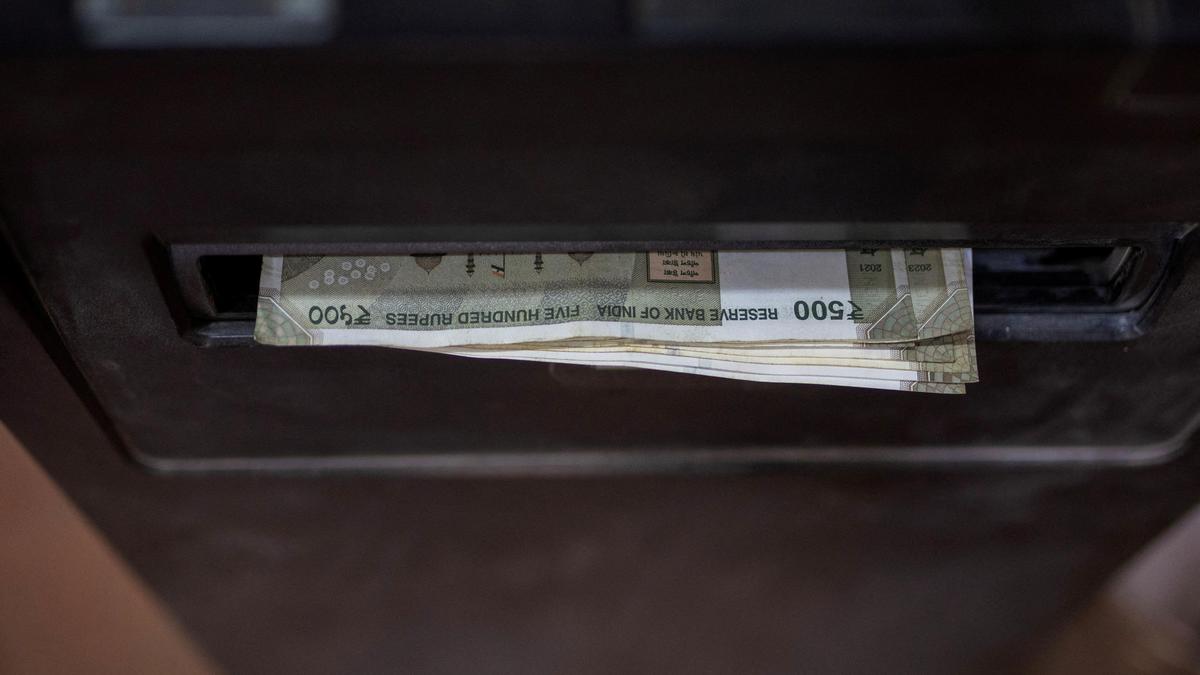
The Indian rupee slipped by 4 paise to trade at 88.69 against the US dollar in early market hours on Monday, November 10, 2025. The modest depreciation reflects ongoing global currency fluctuations and domestic economic factors influencing investor sentiment.
The Indian rupee slips 4 paise to 88.69 against the US dollar in early trade on Nov 10, 2025 amid global currency volatility and domestic economic factors.
Mumbai, November 10, 2025 – The Indian rupee edged lower by 4 paise to 88.69 against the US dollar in early trade on Monday, reflecting cautious investor sentiment amid mixed global cues and domestic market dynamics.
In opening transactions at the interbank foreign exchange market, the rupee opened at 88.65 per dollar and slipped to 88.69, down 0.04 from the previous close of 88.65. Market analysts attributed the modest depreciation to a combination of factors including strengthening of the US dollar against major currencies globally, fluctuating crude oil prices, and concerns over inflation and interest rates.
Global Market Influence
The US dollar has seen renewed strength in recent days amid expectations of persistent interest rate policies by the US Federal Reserve. This trend has put pressure on emerging market currencies, including the Indian rupee.
“Foreign exchange markets are currently volatile due to uncertainties in global economic conditions,” said Anil Kumar, a currency strategist at Mumbai-based XYZ Securities. “The rupee’s movement reflects short-term adjustments influenced by dollar demand from importers and foreign institutional investors.”
Domestic Economic Factors
Domestically, the rupee’s performance is closely linked to trade deficits and capital inflows. India’s heavy dependence on crude oil imports often weighs on the currency when oil prices rise. Currently, international crude benchmarks have shown mixed signals, contributing to market cautiousness.
Additionally, capital flows are influenced by the Reserve Bank of India’s monetary policy stance and government measures to attract foreign investment. Recent reports indicate stable foreign portfolio investment inflows, which may provide some support to the rupee in coming sessions.
Market Outlook
Experts suggest the rupee could continue to face pressure against the dollar in the near term given global uncertainties. However, domestic economic resilience and policy support might help stabilize the currency over the medium term.
Investors and businesses are advised to stay attentive to evolving international developments, crude oil prices, and policy announcements for a comprehensive understanding of the rupee’s trajectory.
The rupee’s movement is a critical indicator for traders, importers, exporters, and policymakers as it impacts inflation, corporate earnings, and overall economic stability.
In summary, the Indian rupee’s slight decline to 88.69 against the US dollar in early trade reflects prevailing global currency dynamics and domestic economic considerations. Market participants continue to monitor these factors closely as they assess currency valuations and their implications.