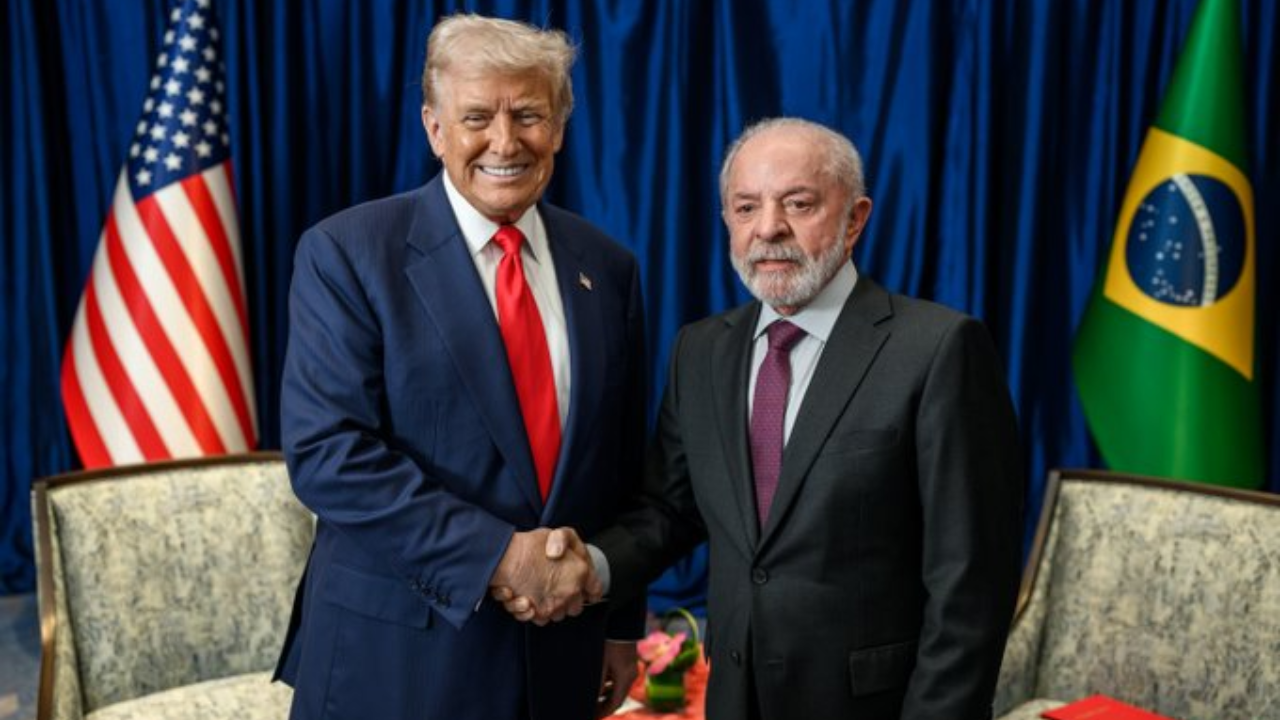
Brazilian President Luiz Inácio Lula da Silva revealed that former U.S. President Donald Trump assured him of a forthcoming trade agreement between the two nations. Lula also commented on his predecessor Jair Bolsonaro’s tenure, signaling potential resets in US-Brazil diplomatic and economic ties.
Brazilian President Lula reveals Trump assured him of a US-Brazil trade deal, indicating renewed economic ties and commentary on Bolsonaro’s era.
Brazilian President Luiz Inácio Lula da Silva stated on October 27, 2025, that former U.S. President Donald Trump personally assured him of an impending trade deal between the United States and Brazil, signaling a potential reset in the bilateral relationship between the two countries. Speaking during a press conference in Brasília, Lula disclosed that discussions with Trump included commitments toward deepening economic cooperation and strengthening trade ties, which could mark a significant shift following years of fluctuating diplomatic exchanges. The Brazilian leader also took the opportunity to comment on former President Jair Bolsonaro’s impact on US-Brazil relations, reflecting on shifts in policy direction and international engagement under his administration. Lula’s remarks come at a critical juncture as Brazil seeks to diversify its economic partnerships and expand exports, particularly in the agriculture and manufacturing sectors, amidst a changing global trade environment. The assurance from Trump underscores a mutual interest in pursuing formal trade agreements that could enhance market access and foster investment. Analysts note that renewed trade talks may bolster Brazil’s economy by reducing tariffs and opening new opportunities for Brazilian goods in the U.S. market. Lula emphasized the importance of constructive dialogue and cooperation, highlighting trade as a cornerstone for the broader diplomatic relationship. This development may signal a recalibration of ties after years characterized by fluctuating rhetoric and policies between the two nations. The discussions between Lula and Trump also highlight the interconnectedness of political leadership and economic diplomacy, underscoring how personal engagement among heads of state can influence bilateral agreements. As both countries navigate complex geopolitical challenges and economic uncertainties, the pledged trade deal presents an opportunity to solidify a foundation of mutual benefit. Observers will be closely watching forthcoming negotiations and official channels to confirm the scope and timeline of the trade agreement. In conclusion, Lula’s revelation of Trump’s assurance regarding a trade deal marks a noteworthy moment for US-Brazil relations, reflecting ongoing efforts to renew and expand bilateral cooperation following shifts in political leadership and international economic priorities.