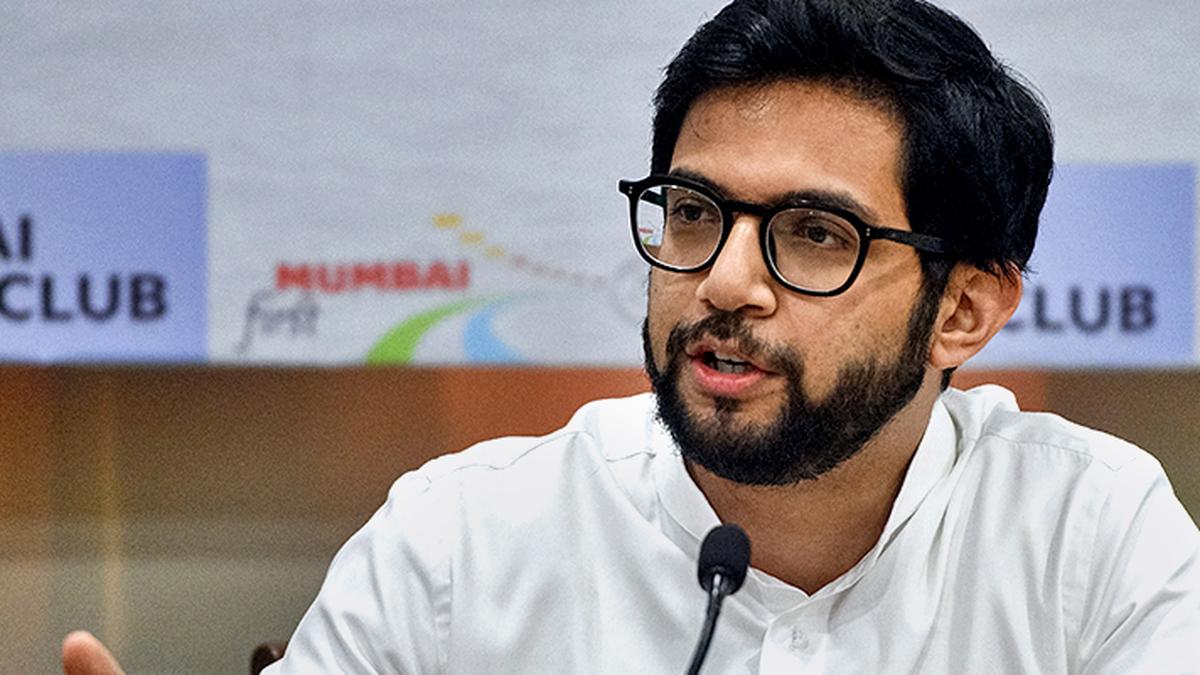
The Maharashtra opposition has criticized the 2025 Union Budget, labeling it as overly focused on Bihar at the expense of other states. In response, the Maharashtra government has defended the allocation, emphasizing the overall benefits and regional development plans within the budget.
Maharashtra opposition criticizes Budget 2025 as Bihar-centric; state government defends allocations, emphasizing balanced regional development.
Mumbai, February 2, 2025 — The Maharashtra opposition has sharply criticized the recently unveiled 2025 Union Budget, describing it as disproportionately focused on Bihar and neglectful of Maharashtra’s developmental needs. This dispute highlights ongoing regional tensions concerning central allocations among Indian states.
Opposition leaders in Maharashtra argued that the budget seemed tailored primarily to address Bihar’s priorities, sidelining the interests of Maharashtra, one of India’s largest and most economically significant states. The criticism was primarily directed at the allocation of funds and developmental projects, which opposition members claimed did not adequately reflect Maharashtra’s requirements.
On the day of the budget announcement, opposition spokespersons pointed out that many critical sectors in Maharashtra received lower allocations compared to previous years, despite the state’s substantial contribution to India’s GDP. They argued that the budget lacked sufficient provisions for infrastructure, agriculture, and industrial expansion within Maharashtra.
In response, the Maharashtra state government issued a formal statement defending the central budget’s provisions. Officials highlighted that while Bihar had received noticeable investment, the allocations for Maharashtra were consistent with national development plans and tailored to include various key projects that would benefit the state in the long term. The government emphasized that the budget aimed to balance regional development equitably across the country.
Senior government representatives also stressed that Maharashtra would receive significant support for sectors such as renewable energy, transportation infrastructure, and urban development. They noted that the budget’s emphasis on sustainable growth and digital infrastructure aligns well with Maharashtra’s own policy priorities.
Experts analyzing the budget pointed out that while Bihar’s development needed acceleration due to its relative economic lag, Maharashtra’s steady growth trajectory means allocations might appear subtler but remain impactful. Balancing growth between emerging and established states is a continuing challenge for successive budgets, they added.
Political analysts suggest that the opposition’s critique may stem from upcoming state elections, aiming to galvanize regional support by highlighting perceived central government neglect. The Maharashtra government’s rebuttal serves to reaffirm its alliance and collaboration with the Union government, emphasizing cooperative federalism.
The Union Budget 2025, presented in late January, included a mix of fiscal stimulus, social welfare schemes, infrastructure projects, and incentives aimed at driving economic growth across India. The budget’s allocations across states have been a subject of scrutiny by various regional political entities, each interpreting the figures through their local contexts.
As discussions continue, both Maharashtra’s opposition and government’s responses highlight the complexities involved in allocating finite resources within a diverse federation. The debate underscores the importance of transparent, equitable distribution to address varied developmental needs nationwide.
In conclusion, the Maharashtra opposition has voiced concerns over the 2025 Union Budget’s focus, calling it Bihar-centric. Meanwhile, the state government maintains that the budget fairly supports Maharashtra’s developmental priorities. The dialogue between central and state stakeholders remains crucial as India navigates its development agenda in the coming years.