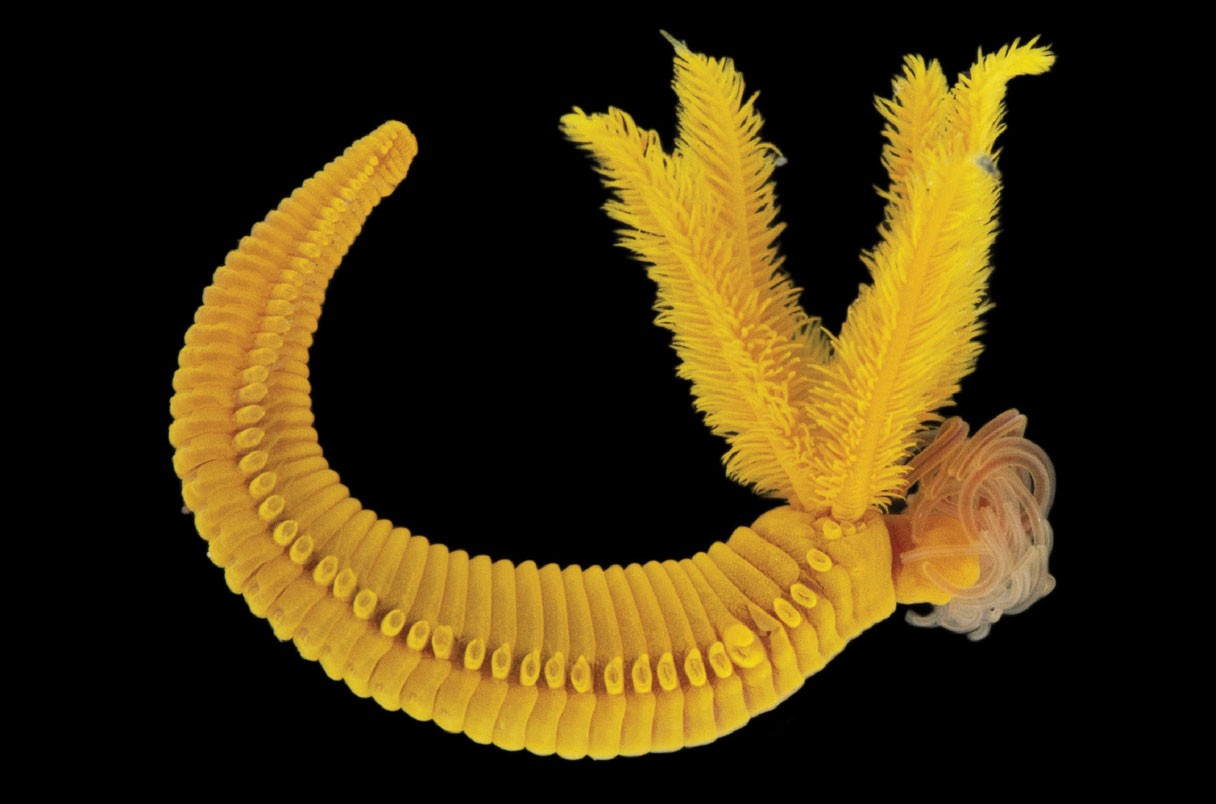
Paralvinella hessleri, a remarkable deep-sea worm found near hydrothermal vents, employs a rare chemical defense by using poison to combat toxins and exhibits a striking golden shine. Scientists are studying this species to understand its survival strategies in extreme environments.
Explore how Paralvinella hessleri, a deep-sea worm, uses poisonous defenses and golden shine to survive toxic hydrothermal vent environments.
Paralvinella hessleri, a species of marine polychaete worm inhabiting deep-sea hydrothermal vent ecosystems, continues to fascinate researchers with its extraordinary adaptations. Discovered in the depths of the Pacific Ocean, this worm has developed a unique survival mechanism—it combats toxic chemicals in its harsh environment by producing its own poisonous substances, a rare biological strategy. Additionally, it exhibits a distinctive golden coloration that has captured the curiosity of marine biologists and materials scientists alike.
The deep-sea hydrothermal vents, characterized by extreme temperatures and high concentrations of hazardous chemicals such as hydrogen sulfide, provide a challenging habitat where few species can thrive. Paralvinella hessleri is among the few organisms adapted to survive these conditions. Researchers have found that instead of succumbing to the toxic environment, this worm produces defensive toxins that neutralize or mitigate the effects of surrounding poisons, effectively fighting poison with poison.
Scientists from multiple marine research institutions have conducted in-depth studies on the physiology and biochemistry of P. hessleri. Dr. Ananya Kumar, a marine biologist specializing in deep-sea organisms, explains, “The production of toxins by this worm is not just a passive defense mechanism. It actively interacts with the hazardous chemicals in its environment, allowing it to maintain homeostasis and survive where other organisms cannot.”
Moreover, Paralvinella hessleri exhibits a remarkable metallic golden shine on its outer surface. This iridescent appearance is not merely ornamental but is believed to provide protective advantages, potentially reflecting harmful radiation or preventing thermal damage. Researchers are exploring the biochemical composition responsible for this unique sheen, which could have implications for biomimetic applications in materials science.
The synergy between P. hessleri’s toxic defense and its golden luster highlights an evolutionary success story in one of Earth’s most extreme environments. The worm’s ability to manipulate chemical defenses and exhibit specialized physical traits offers insight into adaptation and survival mechanisms under pressure.
Understanding organisms like Paralvinella hessleri helps scientists broaden knowledge about life in extreme ecosystems and may inform biotechnology innovations, such as new materials or pharmaceuticals derived from marine biochemistry. Ongoing research continues to uncover the complex interactions between the worm’s biology and its environment.
In summary, Paralvinella hessleri stands out among deep-sea fauna due to its distinctive chemical defenses against toxic surroundings and its striking golden coloration. These features underscore the remarkable adaptations evolved by life forms inhabiting hydrothermal vents, shedding light on biodiversity and resilience in some of the planet’s most inhospitable habitats.