Researchers have issued a stark warning about the potential global climate consequences of losing krill populations. The decline of these small crustaceans, vital to marine ecosystems, could disrupt carbon cycles and accelerate climate change.
Scientists warn that losing krill populations could disrupt marine carbon cycles and trigger a global climate catastrophe, urging urgent conservation efforts.
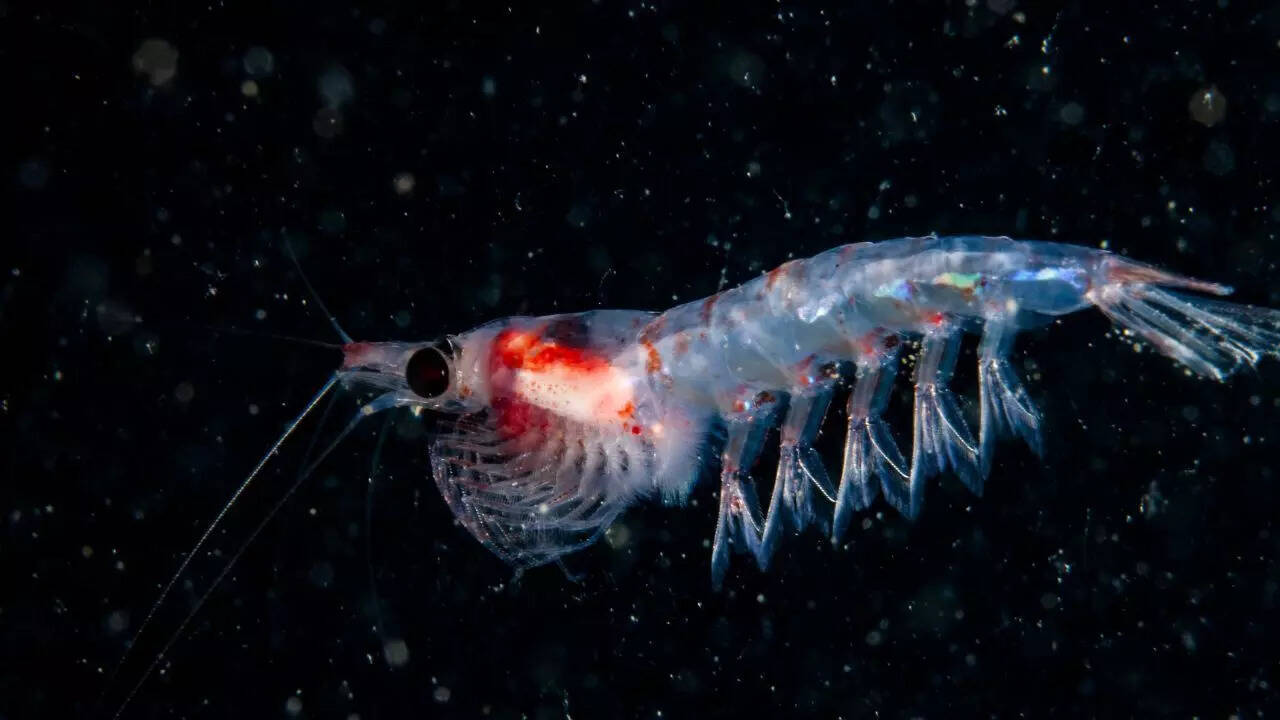
Scientists have raised alarm over the impending risk that the loss of krill, tiny shrimp-like marine organisms, poses to the global climate system. On October 22, 2025, experts emphasized that the decline of krill populations, driven by environmental changes and human impact, could trigger a chain reaction culminating in a severe climate catastrophe.
Krill play a crucial role in the marine food web, serving as a primary food source for whales, seals, penguins, and numerous fish species. More importantly, they contribute significantly to the ocean’s carbon cycle. By feeding on phytoplankton and subsequently excreting carbon-rich fecal pellets, krill facilitate the movement of carbon from the surface to the deep ocean, effectively sequestering greenhouse gases and helping regulate the Earth’s climate.
The scientists explained that disruptions to krill populations, largely caused by ocean warming, acidification, and overfishing, threaten this natural carbon sequestration process. “If krill numbers continue to decline at the current rate, we risk undermining one of the ocean’s most vital mechanisms for mitigating climate change,” said Dr. Elena Martinez, a marine biologist involved in the study.
Research indicates that the Antarctic krill population has been decreasing steadily over the past decades, a trend linked closely to rising sea temperatures and shrinking sea ice habitats. This decline not only impacts marine biodiversity but also jeopardizes the ocean’s ability to absorb carbon dioxide from the atmosphere.
According to recent data, krill contribute to the sequestration of approximately 200 million tons of carbon annually, underscoring their importance in the global carbon budget. The loss of krill could reduce this carbon uptake significantly, potentially accelerating global warming.
In response to these findings, experts advocate for stricter regulations on krill fishing and stronger efforts to combat climate change. International cooperation is deemed essential to preserve krill populations and maintain the delicate balance of marine ecosystems.
Moreover, ongoing monitoring and research are critical. Scientists call for enhanced funding and attention towards understanding krill dynamics and their broader climate implications.
The warning from the scientific community serves as a reminder of the intricate interdependencies within Earth’s systems, where even small organisms like krill play a pivotal role in sustaining planetary health.
As governments and environmental organizations consider policy measures, protecting krill populations could prove vital in the broader strategy to combat climate change and preserve marine biodiversity.