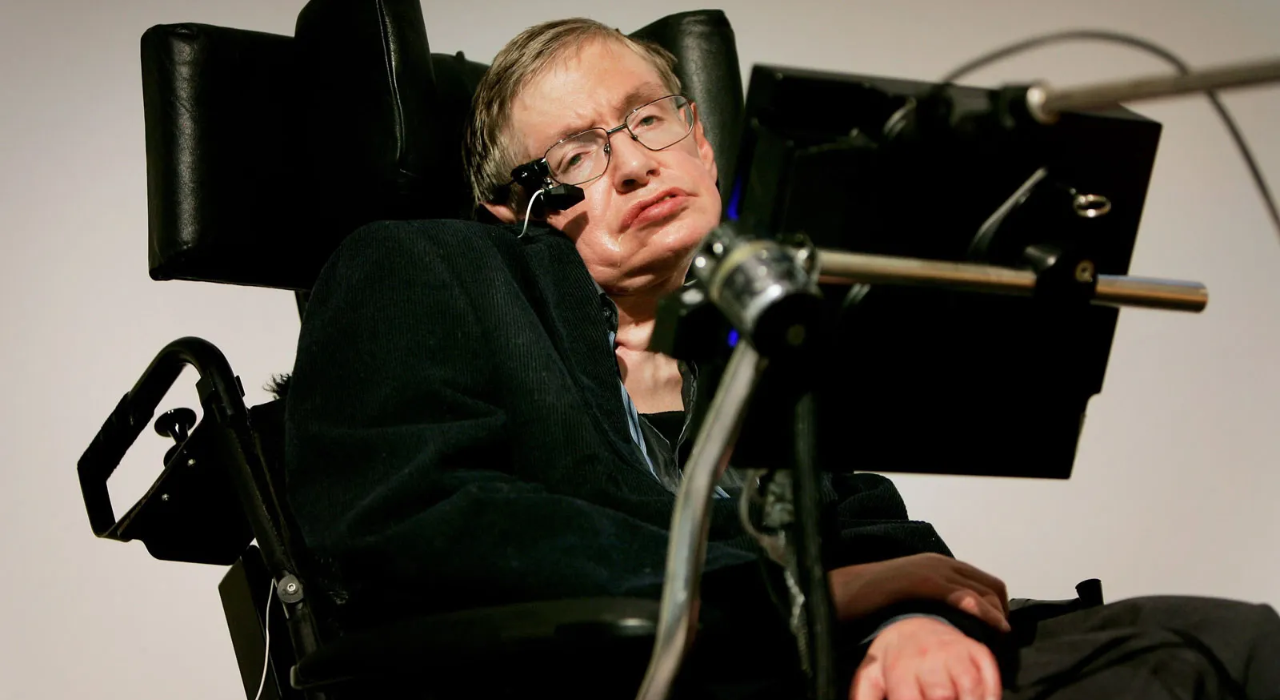
Renowned physicist Stephen Hawking shared his perspectives on God and the afterlife, challenging traditional beliefs with scientific reasoning. Through various statements and writings, Hawking emphasized a universe governed by natural laws, offering insights into what may happen after death.
Explore Stephen Hawking’s views on God and the afterlife, highlighting his scientific perspective on existence and what happens after death.
Stephen Hawking, the celebrated theoretical physicist and cosmologist, offered thought-provoking insights into the concepts of God and the afterlife during his lifetime. His views, grounded in scientific inquiry and rational thought, continue to influence discussions at the intersection of science, religion, and philosophy. This article explores Hawking’s perspectives on divinity and what occurs after death, shedding light on his approach to questions that have historically been considered religious or metaphysical. Born in 1942, Hawking rose to prominence through his work on black holes, cosmology, and quantum gravity, particularly his contributions to understanding the origins and structure of the universe. Throughout various interviews and writings, including his last book “Brief Answers to the Big Questions,” Hawking addressed the existence of God and the afterlife candidly. In his reflections, he rejected the notion of a personal God who intervenes in human affairs, stating that the universe is governed by physical laws rather than divine predestination. Hawking described belief in a creator as understandable given humanity’s yearning for meaning but emphasized that scientific evidence does not support such a being. Regarding life after death, Hawking maintained a materialist viewpoint, asserting that consciousness ends when the brain ceases to function. He dismissed concepts of an immortal soul or an afterlife, likening death to the state before birth—simply nonexistence. Hawking also noted that seeking answers through religion might be less effective than scientific exploration, which provides testable and evidence-based explanations. His explanations have generated debate among theologians, scientists, and the general public. Supporters of his position praise the clarity he brought to complex existential questions, while critics argue that he overlooked the nuances of faith and spirituality. Nevertheless, Stephen Hawking’s contributions remain vital in bridging the gap between empirical science and human curiosity about ultimate questions. In summary, Stephen Hawking’s views on God and what happens after we die reflect his commitment to scientific understanding and skepticism of untestable claims. He viewed the universe as an impersonal entity governed by laws of physics and regarded death as the definitive end of individual consciousness. These perspectives continue to resonate in ongoing conversations about science, religion, and the human condition.