Autonomous vehicles employ advanced technologies such as sensors, artificial intelligence, and machine learning to navigate roads without human intervention. This article explains the workings of self-driving cars, highlighting their components, functions, and potential impact on transportation.
Explore how autonomous vehicles work using AI, sensors, and mapping technologies to navigate roads safely without human intervention.
Autonomous vehicles, also known as self-driving cars, are transforming the landscape of transportation by enabling vehicles to operate without direct human control. Leveraging a combination of advanced technologies, these cars aim to improve safety, reduce traffic congestion, and provide mobility solutions for diverse populations.
How Autonomous Vehicles Function
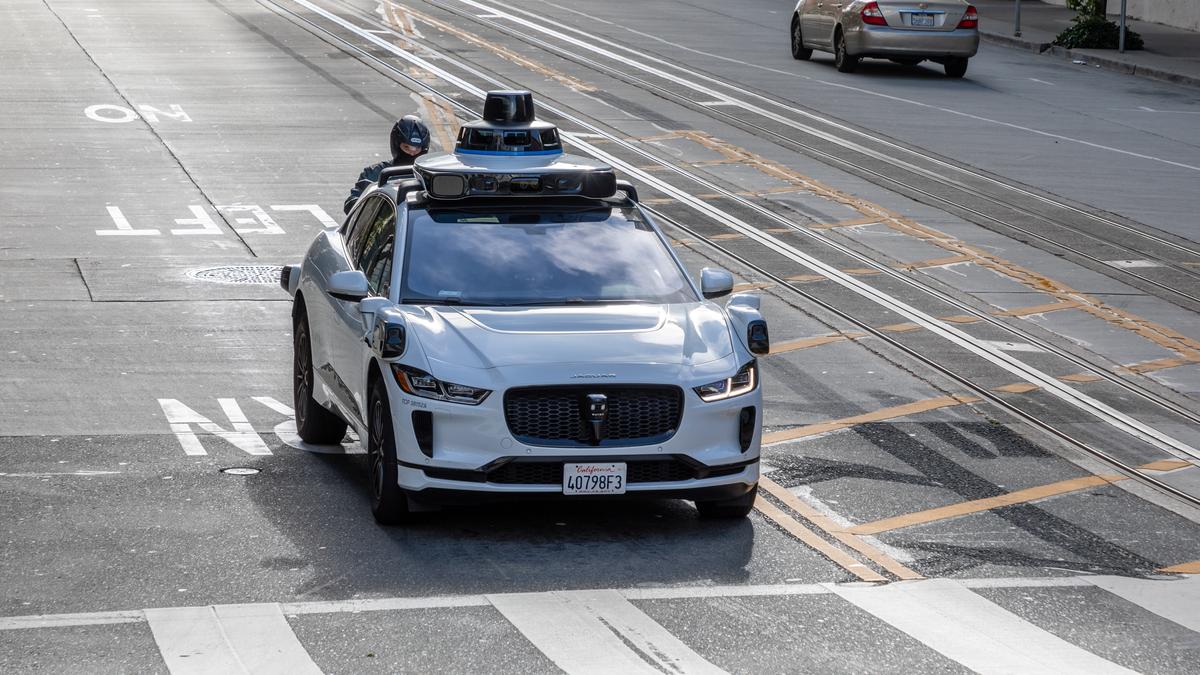
Autonomous vehicles integrate several key technologies, including sensors, machine learning algorithms, and mapping software, to perceive their environment and make driving decisions in real time. Equipped with devices such as LiDAR (Light Detection and Ranging), radar, cameras, and ultrasonic sensors, these vehicles collect extensive data about their surroundings. This data helps the car detect obstacles, read traffic signals, and understand lane markings.
Artificial intelligence algorithms process the sensory inputs to create a dynamic model of the environment, allowing the vehicle to plan routes, interpret road conditions, and respond to unexpected events. High-definition maps provide detailed information about road layouts, enabling precise navigation even in complex urban settings.
Levels of Autonomy
The Society of Automotive Engineers (SAE) defines six levels of driving automation, ranging from Level 0, with no automation, to Level 5, representing full automation where the vehicle can operate without any human intervention in all conditions. Currently, many commercial autonomous vehicles operate between Level 2 and Level 4, with some companies testing fully autonomous prototypes.
Safety and Regulatory Considerations
While autonomous vehicles promise significant safety benefits by reducing human error, challenges remain regarding system reliability, cybersecurity, and ethical decision-making in critical situations. Regulatory bodies worldwide are working to establish guidelines and standards to ensure safe deployment and integration of autonomous vehicles into public roads.
Impact on Society and Future Prospects
The widespread adoption of autonomous vehicles could reshape urban planning, reduce accidents, and increase mobility for individuals unable to drive. Ongoing research and development continue to address technical hurdles, aiming to make self-driving cars a practical and reliable component of future transportation systems.
In conclusion, autonomous vehicles operate through an intricate system of sensing, processing, and actuating mechanisms combined with artificial intelligence and mapping technologies. As these vehicles progress toward full automation, they hold the potential to revolutionize how people and goods move globally.