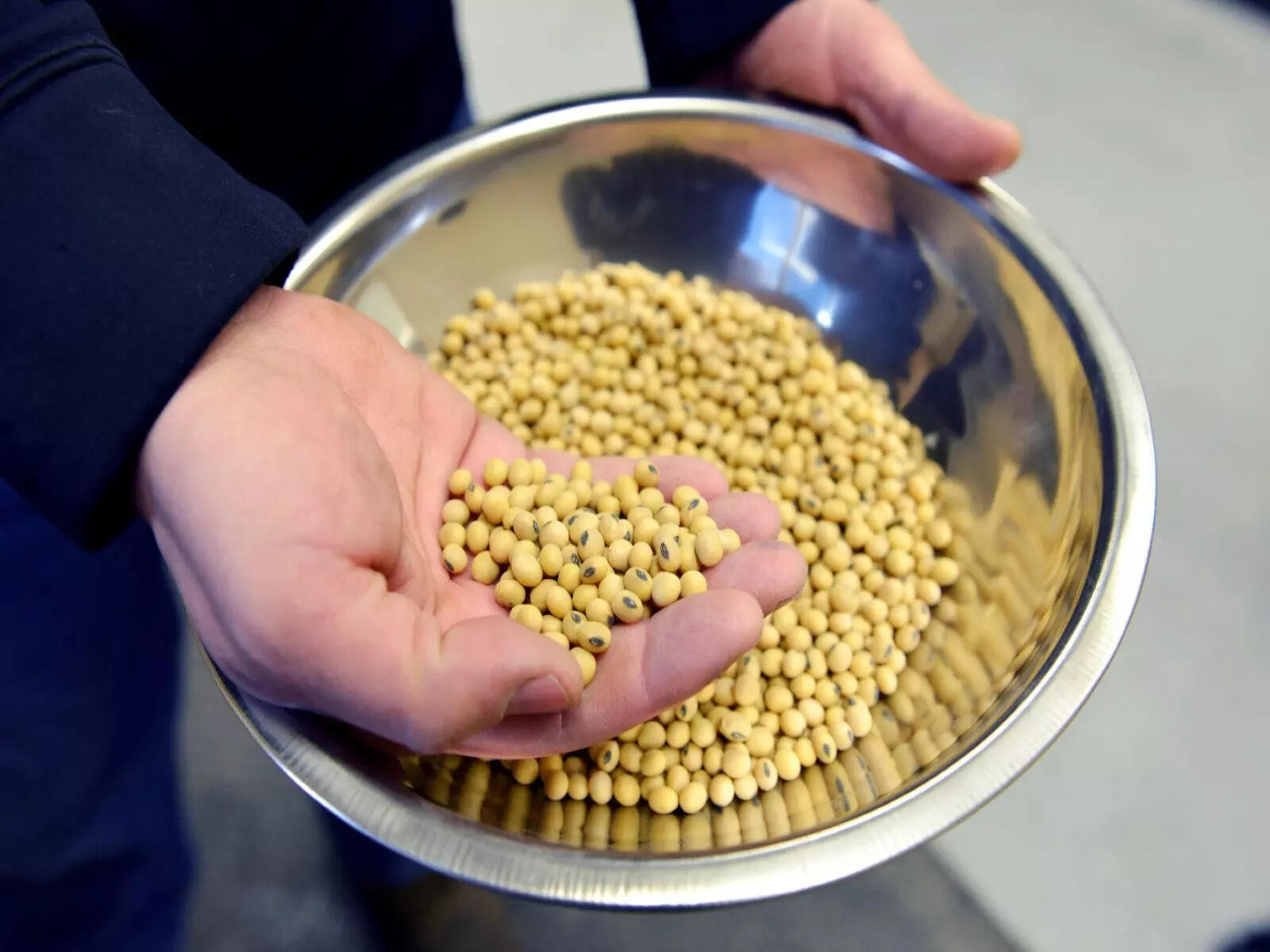
Following the recent Trump-Xi meeting, China has accumulated a significant stockpile of soybeans, reflecting cautious trade practices amid persistent US-China tensions. Despite this move, Washington remains wary of signaling a complete thaw in bilateral relations.
China stocks up on soybeans after Trump-Xi meeting amid US-China trade tensions; Washington remains cautious despite increased agricultural imports.
Beijing, November 13, 2025 – In the wake of the latest high-profile meeting between former US President Donald Trump and Chinese President Xi Jinping, China has reportedly amassed a substantial reserve of soybeans. This development offers insights into the complex nature of US-China trade dynamics, even as diplomatic dialogues seek to ease ongoing tensions.
China’s Soybean Stockpile Grows Post-Meeting
Following the Trump-Xi summit held earlier this month, China accelerated purchases of soybeans, a key agricultural commodity primarily imported from the United States. Industry analysts note that the surge in China’s soybean reserves signals a strategic approach to food and resource security amid uncertain trade relations. The agricultural sector, heavily impacted by tariffs and trade restrictions over recent years, remains a barometer for broader economic interactions between the world’s two largest economies.
Washington’s Measured Reception
Despite the apparent progress with increased Chinese procurement, US officials have expressed cautious optimism. A senior official speaking on condition of anonymity remarked, “While China’s increased soybean imports are encouraging, they do not yet indicate a fundamental or sustained resolution to the trade disputes that have challenged both countries.” The official emphasized that Washington continues to monitor trade flows closely and urges China to engage in comprehensive negotiations to address structural issues.
Contextualizing the Trade Environment
Sino-American trade relations have been marred by tariff escalations, intellectual property disputes, and technology restrictions over the past several years. Agriculture, and specifically soybeans, has often been at the center of these tensions, given its economic significance for American farmers and Chinese consumers. China’s accumulation of soybean reserves can be interpreted both as a buffer against possible supply disruptions and as a move to leverage future negotiations.
Market Impact and Industry Responses
The increased demand for soybeans has influenced global commodity markets, contributing to price fluctuations that affect farmers worldwide. The United States Soybean Export Council highlighted the importance of stable trade policies, stating, “Reliable trade relations not only benefit producers but also ensure food security and market stability internationally.” Conversely, some Chinese agricultural authorities have indicated the need to diversify import sources to mitigate risks associated with geopolitical conflicts.
Looking Ahead: Diplomatic Nuances and Economic Considerations
Analysts caution that while agricultural trade developments like increased soybean stockpiling are noteworthy, they represent just one facet of a multifaceted bilateral relationship. The Trump-Xi meeting, while fostering dialogue, did not resolve underlying disputes related to technology transfers, cyber security, and tariff regimes. Both nations appear committed to continuing talks, but the path toward normalization remains cautiously measured.
Conclusion
China’s current accumulation of soybeans after the Trump-Xi summit illustrates the intricate balance of cooperation and competition inherent in US-China trade relations. Although the increased imports suggest a willingness to engage economically, Washington’s prudent stance reflects unresolved challenges. Stakeholders on both sides await further diplomatic progress to clarify the future trajectory of this critical international relationship.