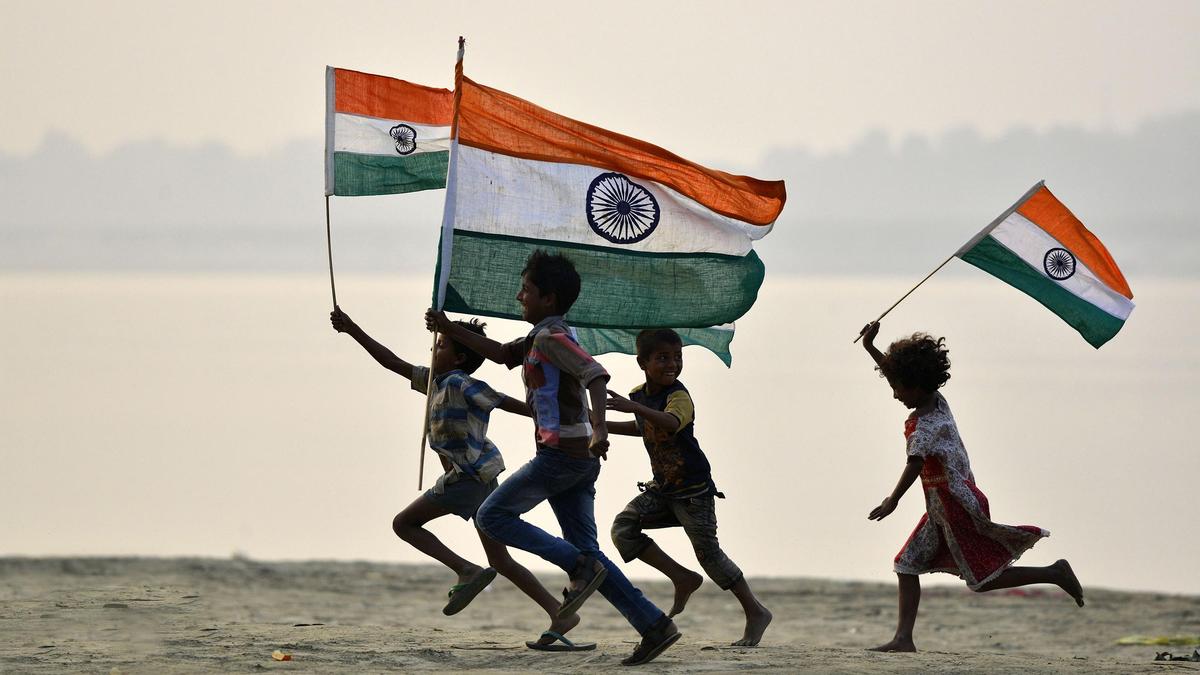
Vande Mataram, India’s national song, marks its 150th anniversary in 2025. Over the years, numerous musicians have played a pivotal role in preserving and popularizing this patriotic anthem, ensuring its continued resonance across generations.
Celebrating 150 years of Vande Mataram, India’s national song, and how musicians have preserved its legacy across generations.
As India commemorates 150 years of Vande Mataram in 2025, the national song continues to hold a unique place in the country’s cultural and patriotic landscape. Born from the revered literary work of Bankim Chandra Chatterjee in the late 19th century, Vande Mataram has inspired countless musicians who have kept its spirit alive through evolving renditions and performances.
The song was originally part of Chatterjee’s 1882 novel Anandamath and was later adopted as a nationalist anthem during India’s struggle for independence. Vande Mataram’s evocative lyrics and stirring melody rallied freedom fighters and evoked deep nationalist sentiments. Today, its legacy endures, largely due to the efforts of musicians who have reinterpreted and popularized the tune across diverse musical genres.
Musicians Across Generations Preserve a Patriotic Legacy
From classical maestros to contemporary artists, Vande Mataram has been reimagined in numerous styles, making it accessible to a wide audience. Legendary figures such as Lata Mangeshkar and Pandit Ravi Shankar contributed iconic renditions that became synonymous with India’s patriotic fervor. In recent decades, musicians like A.R. Rahman and Shankar Mahadevan have introduced innovative arrangements, blending traditional elements with modern sounds to keep the song relevant for younger listeners.
Music historian Dr. Anjali Desai notes, “Vande Mataram is not just a song; it is an emotional symbol of India’s heritage. Musicians play a critical role in translating that heritage into sound, bridging the past with the present.” Public performances during national events, films, and independent recordings have repeatedly brought Vande Mataram into public consciousness.
Cultural Significance and Contemporary Relevance
Beyond its musical adaptations, Vande Mataram continues to symbolize unity and patriotism. Its performance during Republic Day and Independence Day celebrations remains a highlight, reinforcing national pride. However, the song’s journey has also navigated complex socio-political discussions concerning inclusivity and interpretation.
Ethnomusicologist Prof. Rajiv Menon explains, “While Vande Mataram has been cherished widely, ongoing dialogues about its lyrics and historical context have encouraged artists to approach performances thoughtfully, respecting diverse perspectives while honouring the song’s intent.” These conversations have led to sensitive adaptations and informed presentations in educational and cultural settings.
The Role of Technology and Media in Amplifying Vande Mataram
Digital platforms and social media have further enhanced the reach of Vande Mataram’s renditions. Music streaming services, YouTube performances, and virtual choirs have introduced the national song to global audiences, including the Indian diaspora. This widespread accessibility has contributed to renewed interest and pride in the anthem’s historical and musical importance.
Young musicians and students actively participate in online initiatives, sharing performances that celebrate the song’s 150th anniversary. Institutions across India have also organized competitions, workshops, and seminars to engage communities and foster appreciation for the national song’s enduring relevance.
Conclusion
Vande Mataram’s 150th anniversary highlights the vital role of musicians in preserving and celebrating India’s national song. Through diverse interpretations and widespread dissemination, artists have ensured that this emblem of patriotism continues to inspire and unite people across generations. As India advances into the future, the song remains a powerful musical testament to the nation’s history, culture, and unity.