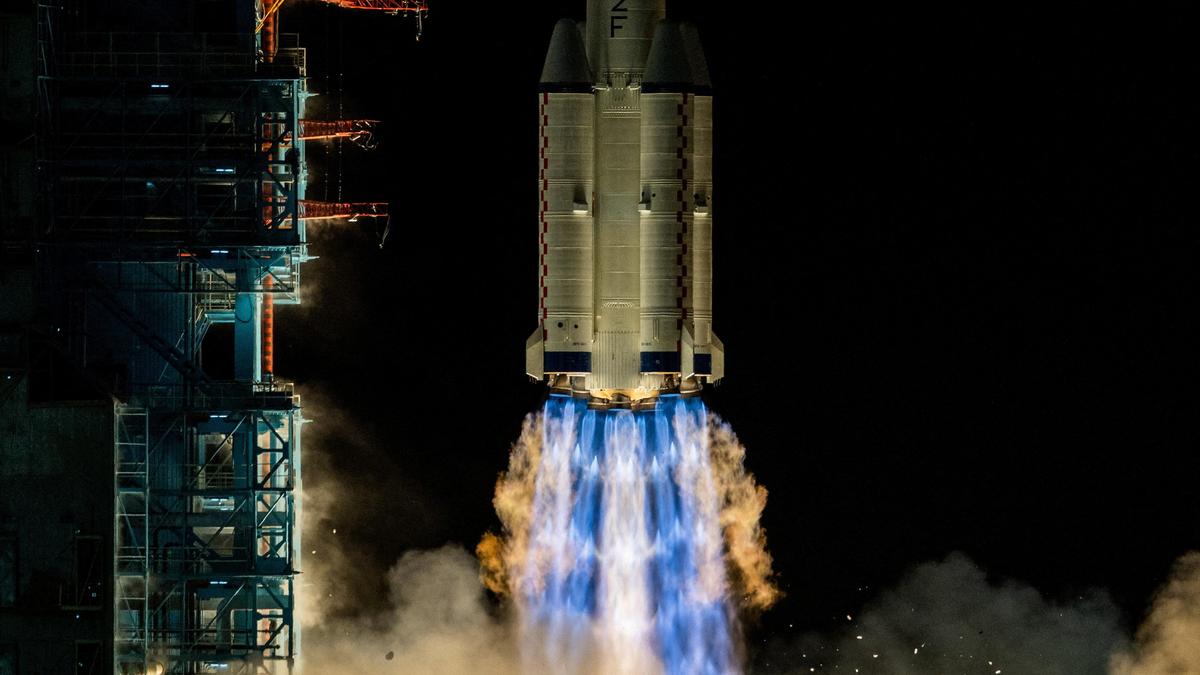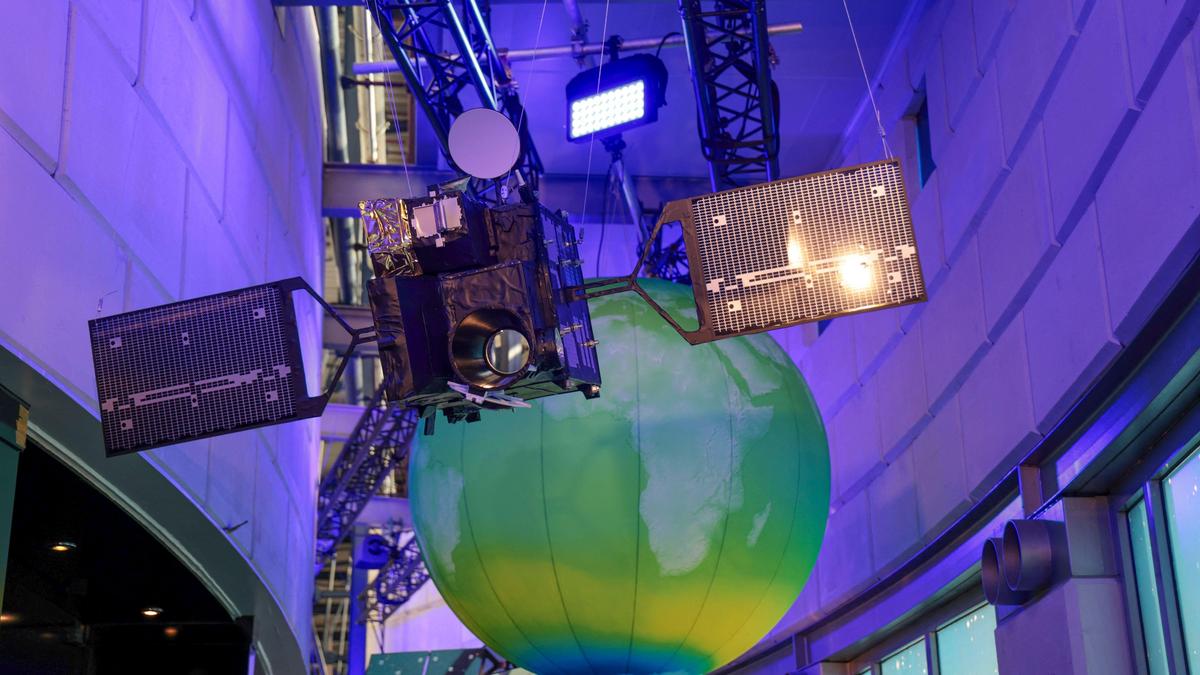
Europe has secured an unprecedented space budget to accelerate its space programs and reduce dependency on external powers. The new funding aims to reinforce Europe’s strategic autonomy in space technology and applications, covering satellite navigation, Earth observation, and exploration missions.
Europe secures a record space budget to boost strategic autonomy, enhancing satellite systems, exploration, and reducing dependence on external powers.
Europe has approved a historic budget allocation for space initiatives as part of its broader strategy to strengthen independence in space technology and operations. Announced on November 30, 2025, the unprecedented funding will fuel key programs in satellite navigation, Earth observation, and space exploration, signaling a decisive shift toward European self-reliance in the increasingly competitive domain of space.
The European Union and the European Space Agency (ESA) have jointly committed to this ambitious budget to boost their capabilities and technological sovereignty. This move comes amid growing geopolitical tensions and the recognition that control over space infrastructure is crucial for economic growth, security, and scientific advancement.
A Significant Increase in Funding
The latest budget represents the largest investment ever made by Europe in its space sector. It covers multiple satellite programs, including the Galileo global navigation satellite system and the Copernicus Earth observation program, both pivotal to European strategic interests. Enhanced funding will allow Europe to develop next-generation satellites, launch services, and ground infrastructure critical for applications ranging from environmental monitoring to defense.
Building Strategic Autonomy
European space leaders have emphasized that the increased budget is a strategic measure to reduce dependence on foreign technologies and services, particularly from the United States, Russia, and China. “Achieving autonomy in space is not just about prestige; it is a necessity for ensuring Europe’s security and economic competitiveness,” an ESA spokesperson said.
Expanding Space Exploration Efforts
The funding package also allocates resources for exploratory missions beyond Earth orbit, including lunar and planetary probes. Europe aims to participate actively in international missions and lead its own scientific investigations, capitalizing on advanced technologies developed through the program.
Economic and Scientific Impact
Experts say the expanded investment will bolster the European space industry, potentially creating thousands of jobs and fostering innovation in related sectors. Satellite technologies supported by the budget will enhance telecommunications, navigation, climate monitoring, and disaster response capabilities across member states.
International Cooperation and Competition
While Europe pursues strategic autonomy, collaboration remains integral to its space ambitions. The budget supports joint ventures with international partners while ensuring independent operational capacity. Analysts note this balance is crucial to maintaining Europe’s influence on the global space stage amid intensifying competition.
Conclusion
Europe’s record space budget marks a pivotal advancement in its pursuit of independence and leadership in space technology. By investing heavily in satellite systems, exploration, and infrastructure, Europe positions itself for increased security, innovation, and global competitiveness in the rapidly evolving space sector.