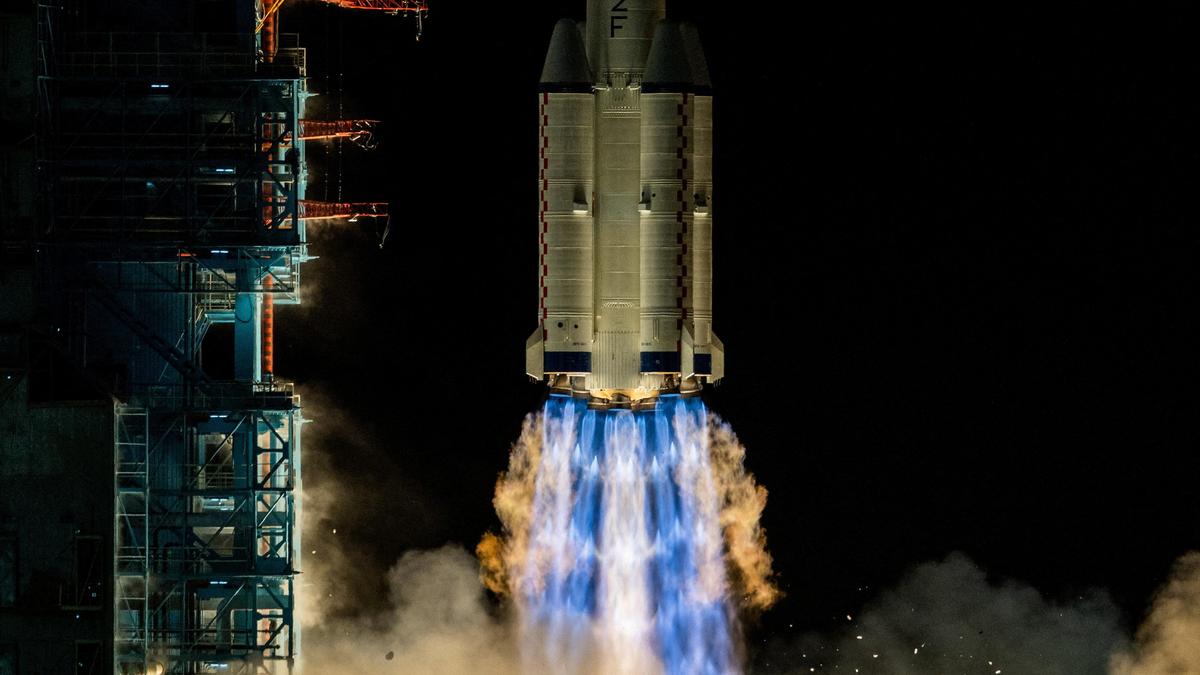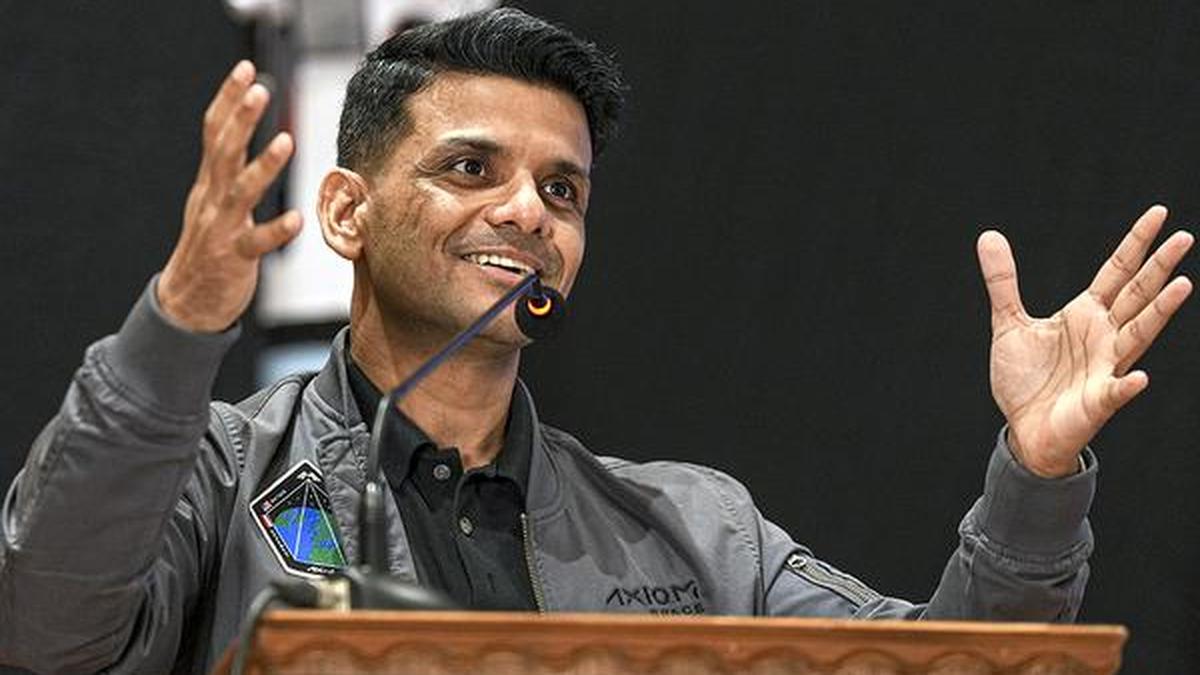
Shubhanshu Shukla, a key figure in the Indian space sector, emphasized that the upcoming decade will be pivotal for India’s space exploration efforts. With ambitious missions planned and growing international collaboration, India aims to strengthen its foothold in space science and technology.
Shubhanshu Shukla highlights the next decade as pivotal for India’s space exploration, with ambitious missions and global collaborations shaping its future.
New Delhi – The next ten years are set to be defining for India’s space exploration ambitions, according to Shubhanshu Shukla, a prominent leader in India’s space community. Speaking on November 30, 2025, Shukla outlined the roadmap India plans to undertake as it seeks to elevate its position as a major player in global space science and technology.
India has already established a strong foundation with successful missions such as Chandrayaan and Mangalyaan, which garnered international acclaim. However, Shukla highlighted that the forthcoming decade will bring heightened challenges and opportunities that will shape the trajectory of Indian space exploration.
“The coming decade will be transformational for us,” Shukla said. “We are preparing for a series of complex missions, enhanced satellite deployments, and collaborations with other space-faring nations that will push the boundaries of our technological capabilities.”
Expanding Space Missions and Technologies
India’s space program has demonstrated remarkable progress in recent years, notably through the Indian Space Research Organisation (ISRO) and private sector partnerships. The country is targeting ambitious projects including crewed spaceflight, interplanetary explorations, and advanced earth observation satellites.
Shukla emphasized the importance of developing indigenous technologies to maintain strategic autonomy. This includes advancements in propulsion, satellite navigation, and deep-space communication systems. The development of the Gaganyaan mission, India’s maiden human spaceflight project, was cited as a key milestone set to launch before 2030.
International Collaboration
Recognizing the benefits of global partnerships, India is actively engaging with various countries and space agencies to foster cooperation. Shukla noted that collaborations would enable access to cutting-edge technologies and share scientific knowledge. The recent agreements with nations such as France, the United States, and Japan illustrate India’s commitment to a cooperative approach.
“Space exploration is inherently a global endeavor,” he remarked. “By working together, we can accelerate innovation and achieve goals that would be difficult to realize alone.”
Growing Role of the Private Sector
Another significant dimension discussed was the increasing participation of private companies in India’s space sector. Government initiatives aim to create an ecosystem that encourages startups and established firms to contribute to national missions. This privatization is expected to enhance efficiency, reduce costs, and spur innovation.
Shukla underscored the need for regulatory frameworks that balance commercial interests with strategic objectives. The creation of platforms for public-private partnerships will be critical in sustaining long-term growth.
Educational and Workforce Development
A capable and skilled workforce is imperative for the success of India’s expanding space missions. Shukla pointed out that investments in education, training, and research institutions are essential to nurture talent in aerospace engineering and planetary science.
“Building the next generation of scientists and engineers will ensure India remains at the forefront of space exploration,” he added.
Looking Ahead
The decade ahead promises a dynamic and transformative phase for India’s space program. With ambitious plans, international collaboration, and private sector engagement, India is positioned to enhance its role in the global space community. Shubhanshu Shukla’s insights reflect a vision grounded in technological advancement, strategic partnerships, and sustained commitment to innovation.
As India embarks on this critical journey, the world is watching closely to witness the milestones that will define the nation’s place in the cosmos.