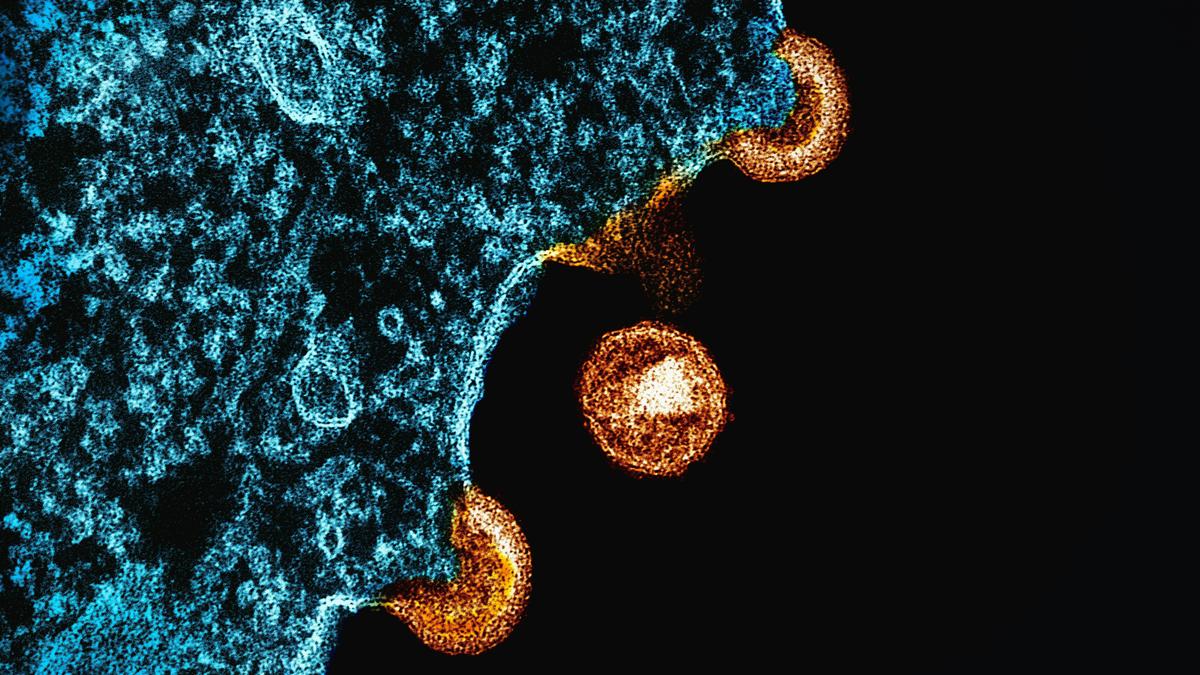
On World AIDS Day 2025, experts highlight the ongoing challenges in effectively treating HIV infections despite advancements in medical science. Factors such as viral diversity, treatment adherence issues, and socio-economic barriers continue to complicate HIV management worldwide.
On World AIDS Day 2025, experts discuss why HIV remains hard to treat due to viral resistance, treatment adherence, and socio-economic barriers worldwide.
Every year on December 1, millions observe World AIDS Day to raise awareness about HIV/AIDS and commemorate those affected by the epidemic. Despite significant progress in medical research and therapy, HIV infections remain notoriously difficult to treat worldwide. The burden persists due to a combination of biological, social, and economic factors that hinder effective management of the virus.The HIV virus, responsible for causing AIDS, is characterized by its rapid mutation rate and ability to evade the human immune system. These mutations contribute to the virus’s resistance against antiretroviral therapies (ART), making treatment a complex and evolving challenge. While ART has transformed HIV from a fatal diagnosis into a manageable chronic condition, complete eradication of the virus remains elusive. Experts note that adherence to lifelong treatment regimens is critical, yet obstacles such as side effects, stigma, and limited access to healthcare often impede patients’ ability to maintain consistent therapy in many parts of the world.”Treatment resistance and patient adherence are among the biggest hurdles we face in controlling HIV infections,” said Dr. Anita Desai, an infectious disease specialist based in New Delhi. “Moreover, socio-economic factors like poverty and discrimination reduce access to vital healthcare services, especially in resource-limited settings.”In addition to the biological complexity, the global HIV epidemic is shaped by disparities in healthcare infrastructure. Low-income countries often struggle with insufficient availability of diagnostic tools, delayed treatment initiation, and lack of education about HIV prevention. These factors contribute to ongoing transmission and complicate efforts to achieve universal viral suppression.Innovations in HIV research continue to seek solutions for these challenges. Recent advances include long-acting injectable antiretroviral drugs intended to improve adherence and experimental gene-editing techniques aiming to target viral reservoirs. Nonetheless, experts emphasize that alongside scientific breakthroughs, addressing social determinants of health is essential to enhance treatment outcomes and prevent new infections.World AIDS Day underscores the imperative for ongoing commitment to research, education, and equitable healthcare. By understanding the multifaceted challenges that make HIV infections difficult to treat, policymakers and healthcare providers can work towards comprehensive strategies to control the epidemic and improve the quality of life for those living with HIV.